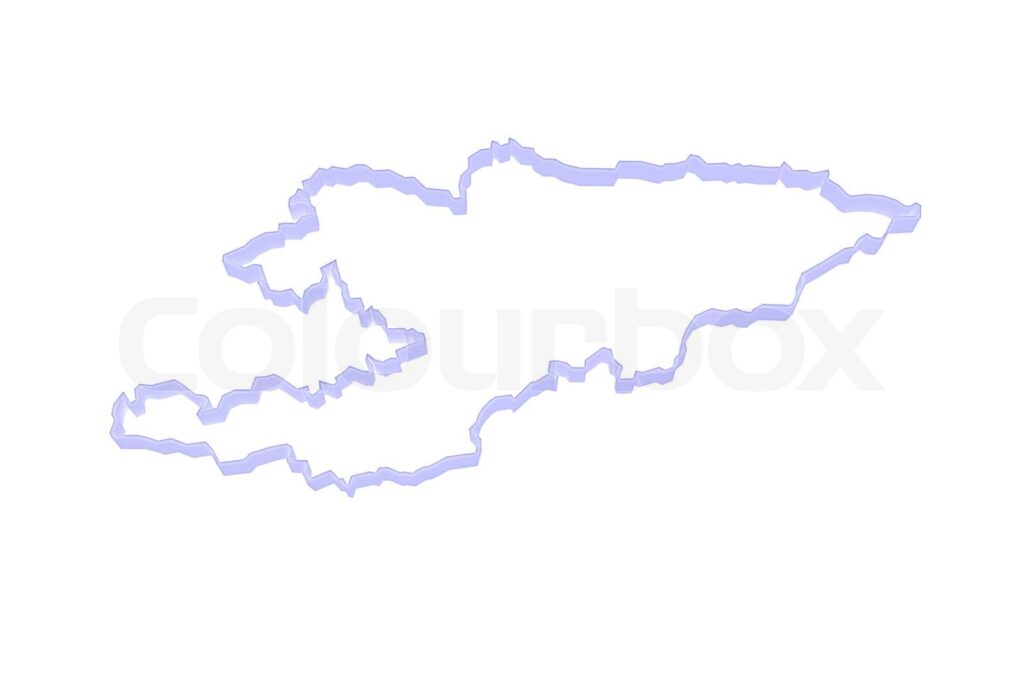
The Importance of Kyrgyzstan
Kyrgyzstan, a landlocked country in Central Asia, is often overshadowed by its larger neighbors, but it boasts a unique deep cultural heritage and stunning natural landscapes. This mountainous nation is becoming increasingly important on the global stage due to its strategic location and rich resources.
Geography and Natural Beauty
Home to breathtaking mountain ranges, including the Tien Shan and Pamir mountains, Kyrgyzstan is renowned for its picturesque scenery. The country’s diverse climate and geography support a range of ecosystems, including alpine meadows and glacial lakes, such as the famous Issyk-Kul, one of the largest saltwater lakes in the world. This natural beauty not only attracts tourists but also emphasizes the need for natural conservation efforts.
Political Landscape and Developments
In recent years, Kyrgyzstan has experienced significant political changes, marked by protests and governmental shifts. Following a tumultuous political climate, the country is currently focused on stability and reforms to improve democratic governance. The recent elections held in 2023 were hailed as a step towards greater political transparency, though challenges remain, including governance issues and economic recovery efforts amid global economic shifts.
Cultural Heritage
Kyrgyzstan is not only known for its natural allure but also for its rich traditions. The country has a vibrant culture that reflects its nomadic history, featuring traditional music, dance, and crafts. The art of felt-making and the practice of eagle hunting highlight the unique heritage of its people. Festivals celebrating these customs play a crucial role in preserving community identity and promoting tourism.
Economic Prospects
The economy of Kyrgyzstan relies heavily on agriculture, mining, and remittances from Kyrgyz workers abroad. As the country seeks to diversify its economy, investments in infrastructure and renewable energy sources are gaining attention. The government’s initiatives to promote entrepreneurship and attract foreign investment are seen as essential for sustaining economic growth.
Conclusion
Kyrgyzstan is emerging as a vital player in Central Asia, with its unique cultural offerings and natural landscapes drawing international attention. As political stability improves and economic reforms take shape, the future looks promising for this mountainous nation. For readers interested in the dynamics of Central Asia or travel off the beaten path, Kyrgyzstan presents an opportunity to explore a rich culture and stunning environments.