Introduction
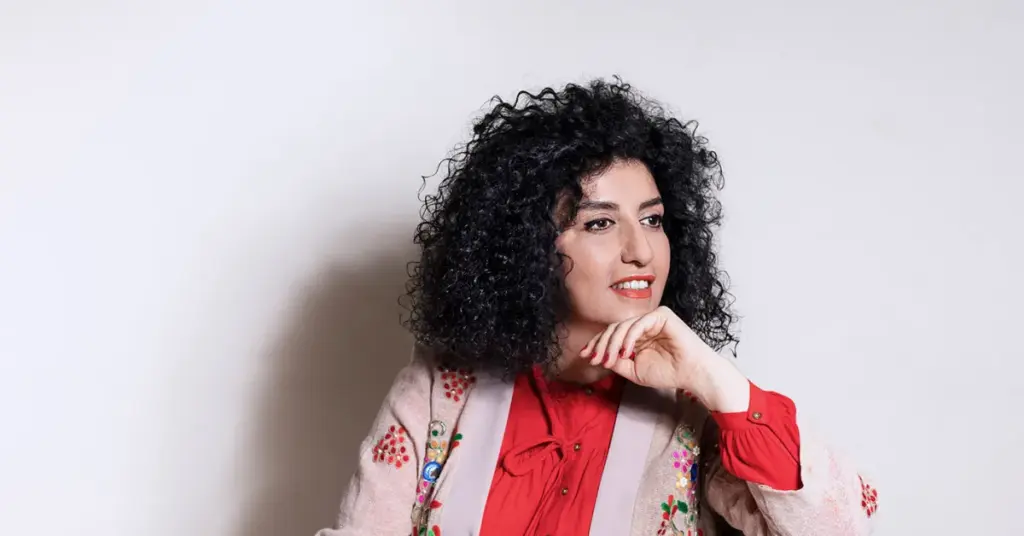
Narges Mohammadi, a prominent Iranian human rights activist, has become a pivotal figure in the fight for freedom and justice in Iran. Her steadfast resolve against oppression, particularly in the face of the Iranian regime’s crackdowns on women and protestors, underlines the ongoing struggles for human rights in the country. As the world watches, Mohammadi’s advocacy not only represents the voices of many in Iran but reflects the global fight for democracy and equality.
Background and Activism
Narges Mohammadi was born in 1972 in Zanjan, Iran. She pursued her education in physics, later transitioning to activism where she became known for her efforts in advocating for women’s rights and freedom of expression. Mohammadi’s activism gained international attention as she became involved with the Defenders of Human Rights Center in Iran, co-founded by Nobel laureate Shirin Ebadi. She has faced numerous arrests and imprisonments due to her outspoken criticism of the Iranian government, enduring significant personal sacrifice for her principles.
Recent Events
As of 2023, Mohammadi continues to be imprisoned, serving a lengthy sentence due to her activism. Despite this, she remains a symbol of resilience and hope. In recent months, widespread protests across Iran, sparked by the death of Mahsa Amini, have reignited attention on her case and others like hers. Supporters from around the globe have called for her release, organizing rallies and campaigns highlighting her contributions to human rights.
During her incarceration, Mohammadi has managed to communicate important messages to the outside world, drawing attention to the systemic oppression faced by women in Iran and advocating for international response and support. Her writings and statements continue to inspire many, emphasizing the need for global solidarity in the face of tyranny.
Global Impact and Significance
The plight of Narges Mohammadi touches on universal themes of justice, freedom, and the resilience of the human spirit. Her story has garnered attention not only from human rights organizations but also from various governments, as they assess their relationship with Iran amidst these challenges. The heightened visibility of her case has sparked discussions about the need for sustained pressure on the Iranian regime regarding human rights violations.
Conclusion
Narges Mohammadi’s ongoing fight and the international response to her situation bring necessary focus to the urgent need for human rights reform in Iran. As activists and supporters rally for her freedom, her story highlights the critical nature of courage and solidarity in the pursuit of justice. The world watches closely, hopeful for change and a future where voices like Mohammadi’s can be freely expressed without fear of persecution.