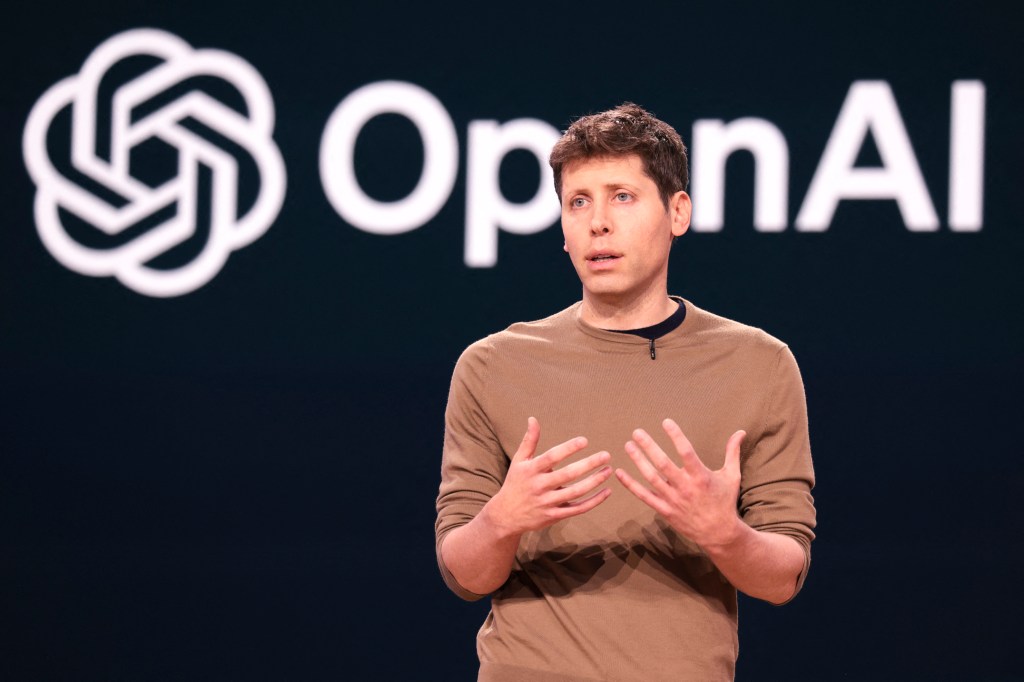
Introduction
In today’s rapidly evolving technological landscape, OpenAI continues to be at the forefront of artificial intelligence innovation. The advancements made by OpenAI not only influence the tech industry but also have far-reaching implications for various sectors, including healthcare, education, and entertainment. Understanding the latest developments and news surrounding OpenAI is crucial for professionals, enthusiasts, and the general public alike.
Recent Developments
As of today, OpenAI has made significant strides in enhancing its product offerings. One notable update is the recent release of the highly anticipated ChatGPT-4 model, which boasts improved natural language processing capabilities, allowing for even more fluid and human-like interactions. This new version has expanded its training data significantly, incorporating a wider array of languages and dialects, thus catering to a more global audience.
Additionally, OpenAI announced a partnership with leading educational institutions to integrate AI tools into classroom learning, making innovative resources available to both students and educators. This initiative aims to enhance personalized learning experiences and provide tools for academic research.
Impact on Various Industries
OpenAI’s advancements have substantial implications for various sectors. In healthcare, for instance, AI models are being employed to assist in diagnostics, improving accuracy and efficiency. The legal profession is also seeing the adoption of AI systems for contract review and legal research, which significantly reduces the time lawyers spend on monotonous tasks.
Moreover, in the creative industries, tools like DALL-E and MuseNet have enabled artists and musicians to push the boundaries of creativity, inspiring new works that blend human and AI-generated content.
Public Response and Ethical Considerations
While OpenAI’s innovations are largely received positively, there are ongoing discussions regarding the ethical implications of AI technology, particularly concerning privacy and job displacement. Public response has led to calls for clearer guidelines and regulations on the deployment and use of AI technology in everyday life.
Conclusion
As we delve deeper into what OpenAI has to offer today, it is clear that its ongoing innovations will continue to shape the future of AI. The collaboration with educational institutions and advancements in various industries demonstrate OpenAI’s commitment to making a positive impact. Moving forward, stakeholders at all levels will need to engage in the conversation about ethical AI deployment to harness its benefits responsibly.