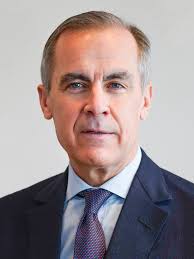
Introduction: A Respected Figure in Economics
Mark Carney, the former Governor of the Bank of England and the Bank of Canada, is a prominent figure in the field of finance and economics. With a career that spans regulatory roles and leadership positions in international finance, Carney’s influence continues to grow. His current focus on climate change and sustainable finance demonstrates the evolving role of economic leaders in addressing global challenges.
Carney’s Career in Central Banking
Starting his career in the late 1980s, Carney worked at the Bank of Canada, where he became known for his analytical approach and insights into economic stability. He later served as the Governor of the Bank of Canada from 2008 to 2013, pivotal years marked by the global financial crisis. Carney’s management during this turbulent time earned him international recognition.
In 2013, Carney took on the role of Governor of the Bank of England, becoming the first non-British individual to hold this position. His tenure was marked by significant monetary policy decisions to stabilize the British economy post-Brexit and adapt to the challenges posed by long-term low-interest rates.
Championing Sustainable Finance
Since stepping down from the Bank of England in March 2020, Carney has shifted his focus towards sustainable finance and climate action. He served as the UN Special Envoy on Climate Action and Finance, emphasizing the need for financial institutions to integrate environmental considerations into their decision-making processes. Carney stated, “We need to support innovation and investment in green technologies to enable a clean future that benefits everyone.”
His advocacy for sustainable banking practices is evident with his involvement in the establishment of the Glasgow Financial Alliance for Net Zero (GFANZ) during the COP26 Climate Summit in 2021, aiming to mobilize private financial efforts toward achieving net-zero emissions.
Impact and Future Outlook
Carney’s role as a thought leader in both central banking and climate finance reflects a significant paradigm shift in how financial institutions engage with global issues. His insights and actions could shape the future of the financial sector, particularly as more institutions recognize the importance of sustainable practices.
As governments and organizations worldwide navigate the complex challenges of climate change, Mark Carney’s influence is expected to remain vital. His dedication to reforming financial systems to address environmental challenges will likely encourage other leaders to adopt similar approaches, showcasing the interconnectedness of economic stability and sustainability.
Conclusion: The Legacy of Mark Carney
Mark Carney’s legacy in economics and climate action demonstrates the critical role that financial leaders play in shaping global policies. His expertise and commitment to sustainable development suggest a future where finance becomes an essential component in the fight against climate change, urging both leaders and organizations to take actionable steps toward a more sustainable and resilient world.