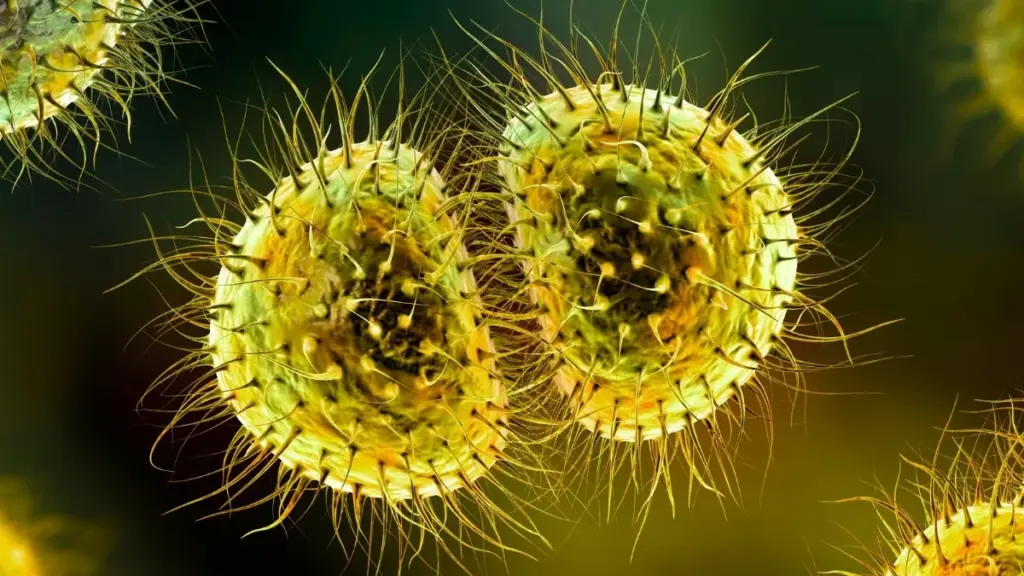
What happens when a meningococcal meningitis outbreak strikes a university community? The recent outbreak at the University of Kent has raised serious concerns, resulting in two tragic deaths and 20 individuals currently receiving treatment. This situation underscores the urgent need for vaccination and awareness among students and their families.
The outbreak, which has affected the Canterbury area, has prompted health authorities to reach out to more than 30,000 people. The NHS has initiated a targeted vaccination campaign for students living in halls of residence, emphasizing that vaccination is currently the best form of protection, as stated by a spokesperson for the University of Kent.
Meningococcal group B disease, which the Bexsero vaccine protects against, has been a concern in university settings for years. The vaccine has been available since 2013 and was added to the UK’s national immunisation schedule in September 2015, but only for infants. As a result, every student at the university today was born before July 2015 and missed the cut-off for vaccination. This gap in coverage has left many students vulnerable.
In light of the outbreak, health experts are raising alarms. A study indicated that the proportion of students carrying meningococcal bacteria surged from less than 7% to over 23% within just four days of starting university. This rapid increase highlights the risks associated with communal living and the importance of vaccination. In the United States, first-year undergraduate students face a risk of meningococcal B disease almost 12 times higher than their non-student peers, further emphasizing the need for preventive measures.
The severity of meningococcal infections cannot be understated. The fatality rate for infections that enter the bloodstream may be as high as 70-80%. With two confirmed deaths in this outbreak, the gravity of the situation is evident. Public health experts, including Professor Dr. Yong Poovorawan, have noted that the outbreak among university and school children in the UK is caused by bacteria that develops quickly and can be severe.
In response to the outbreak, bookings for private meningitis B vaccinations have surged to 65 times their normal level. However, the availability of private vaccination raises concerns about access, as it often depends on an individual’s ability to pay, according to a public health expert at the London School of Hygiene and Tropical Medicine.
Looking ahead, Health Secretary Wes Streeting plans to ask the Joint Committee on Vaccination and Immunisation (JCVI) to re-examine eligibility for meningitis vaccines in light of this outbreak. The first cohort of babies vaccinated in 2015 will not reach university age until 2033, leaving a significant gap in protection for current students.
As this situation continues to unfold, details remain unconfirmed about the full extent of the outbreak and the measures that will be implemented. The community must remain vigilant and informed as health authorities work to protect students and prevent further spread of this serious disease.