The Japanese attack on Pearl Harbor on December 7, 1941, marked a pivotal moment in American history, drawing the United States into World War II. Prior to this attack, the expectation was that the U.S. could maintain a distance from the escalating global conflict. However, the surprise assault led to the tragic loss of 2,390 American lives and prompted an immediate declaration of war against Japan the following day.
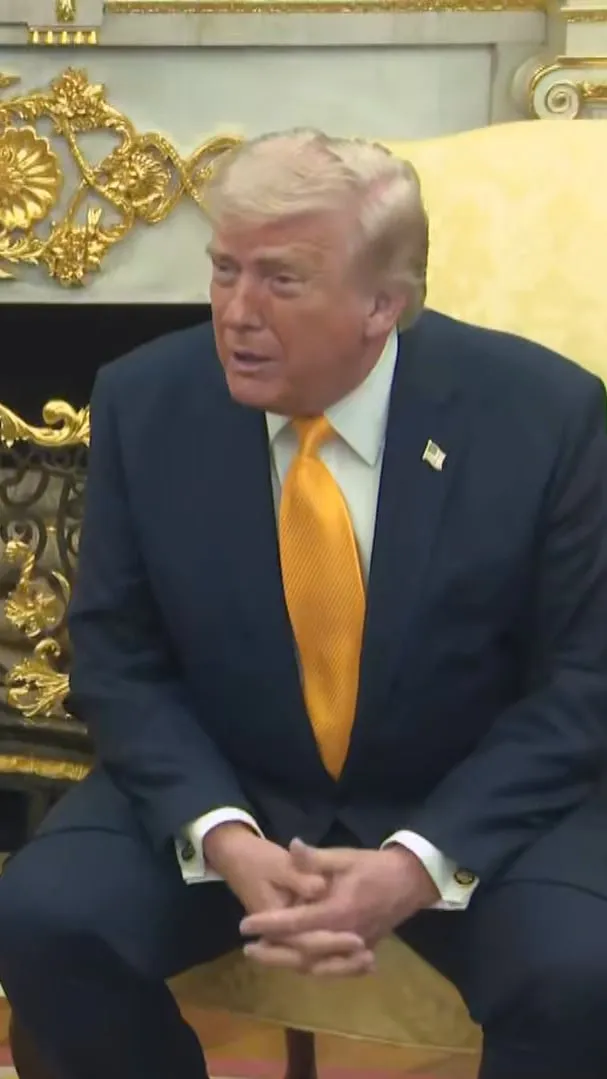
Fast forward to recent events, where former President Donald Trump referenced Pearl Harbor during a meeting with Japan’s Prime Minister, Takaichi. His comments were made in response to a question regarding the U.S. military’s decision to strike Iran without prior notification to allies. Trump posed the rhetorical question, “Why didn’t you tell me about Pearl Harbor?” This statement drew a direct parallel between historical military strategy and contemporary geopolitical actions.
In his remarks, Trump elaborated, stating, “One thing you don’t want to signal too much, you know, when we go in, we went in very hard and we didn’t tell anybody about it because we wanted surprise. Who knows better about surprise than Japan?” This comment not only highlights the enduring significance of Pearl Harbor in American military history but also raises questions about the ethics of surprise attacks in modern warfare.
The immediate effect of Trump’s comments was a wave of reactions, particularly from those who remember the historical context of Pearl Harbor. His son, Eric Trump, praised his father’s response, indicating a strong familial support for the narrative being drawn from this historical reference.
Experts in military history and international relations have noted that invoking Pearl Harbor in contemporary discussions can be polarizing. It serves as a reminder of the consequences of surprise attacks and the need for transparency among allies. The historical context of Pearl Harbor underscores the complexities of military strategy and the importance of communication in international relations.
As we reflect on the legacy of Pearl Harbor, it is clear that its implications continue to resonate today. The attack not only altered the course of history but also serves as a cautionary tale for current and future military engagements. The dialogue surrounding Trump’s comments invites a broader discussion about the lessons learned from the past and how they apply to today’s geopolitical landscape.
Details remain unconfirmed regarding the full implications of Trump’s statements, but the dialogue they have sparked is a testament to the lasting impact of Pearl Harbor on American consciousness.