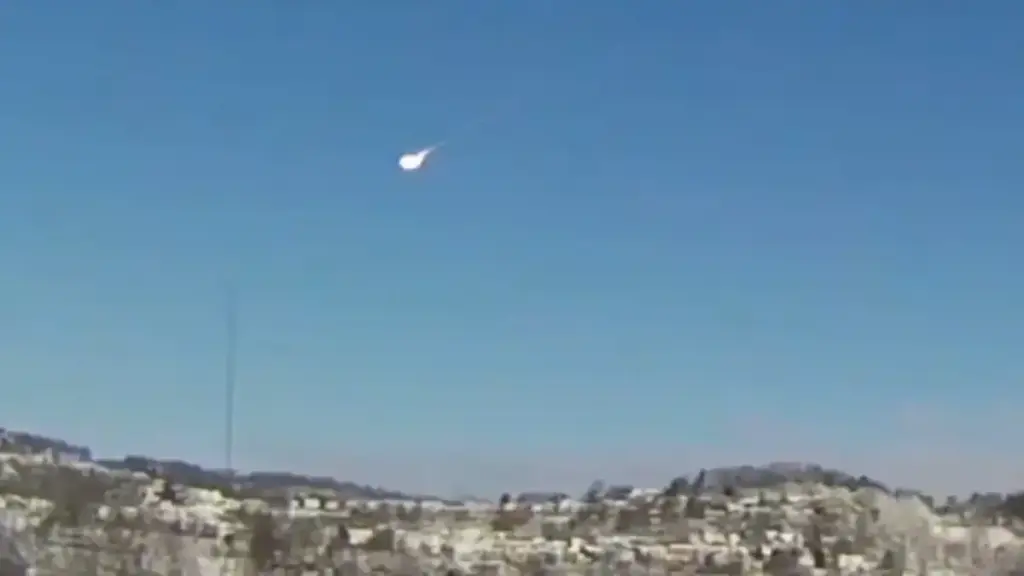
In an extraordinary display of cosmic activity, a one-ton space rock broke apart nearly 30 miles above North Houston on March 8, 2026, creating a sonic boom equivalent to 26 tons of TNT. This event was part of a larger trend, as the American Meteor Society reported a staggering 2,046 total fireball events in the first quarter of 2026, marking a significant increase in meteor activity.
On that day alone, 3,229 people across Western Europe reported witnessing the fireball, highlighting the widespread visibility of these celestial phenomena. In March, reports of fireballs in the U.S. surged from 1,587 in January to over 2,369, with five different fireballs exceeding 200 eyewitness accounts each.
Mike Hankey of the American Meteor Society noted, “After years of stable baseline activity, something appears to have shifted.” This shift is underscored by the fact that thirty large fireball events producing audible booms occurred in the first quarter of 2026, averaging one every three days. The Anthelion sporadic source alone produced nearly ten major fireball events during this period.
Interestingly, a 7-ton asteroid was reported over Ohio and Pennsylvania just days later, on March 17, 2026, further contributing to the excitement surrounding meteor showers. The recovered meteorites from Ohio and Germany have been identified as achondritic eucrites, adding a tangible element to these stunning events.
Historically, Earth sweeps up tons of space dust daily, typically the size of a grain of sand. However, the current influx of larger rocks colliding with Earth has sparked curiosity among astronomers. Bill Cooke from NASA remarked, “Spring is fireball season,” suggesting that the seasonal changes may enhance visibility.
In fact, spring months may contribute to a 10% to 30% increase in very bright meteors around the vernal equinox. The average number of fireball events recorded at the 25+ report threshold from 2021-2025 was roughly 43, compared to 61 in 2026, indicating a notable uptick in activity.
Despite this surge, details remain unconfirmed regarding the exact cause of the increase in fireball activity. It remains unclear whether this is due to genuine changes in meteor activity or simply improved reporting methods. Additionally, the relationship between Earth’s position in its orbit and the increased visibility of meteors is not fully understood.
As observers continue to look to the skies, the excitement surrounding meteor showers is palpable, with many eager to witness these breathtaking displays of nature. The community remains engaged, sharing their experiences and observations, fostering a sense of wonder and connection to the cosmos.