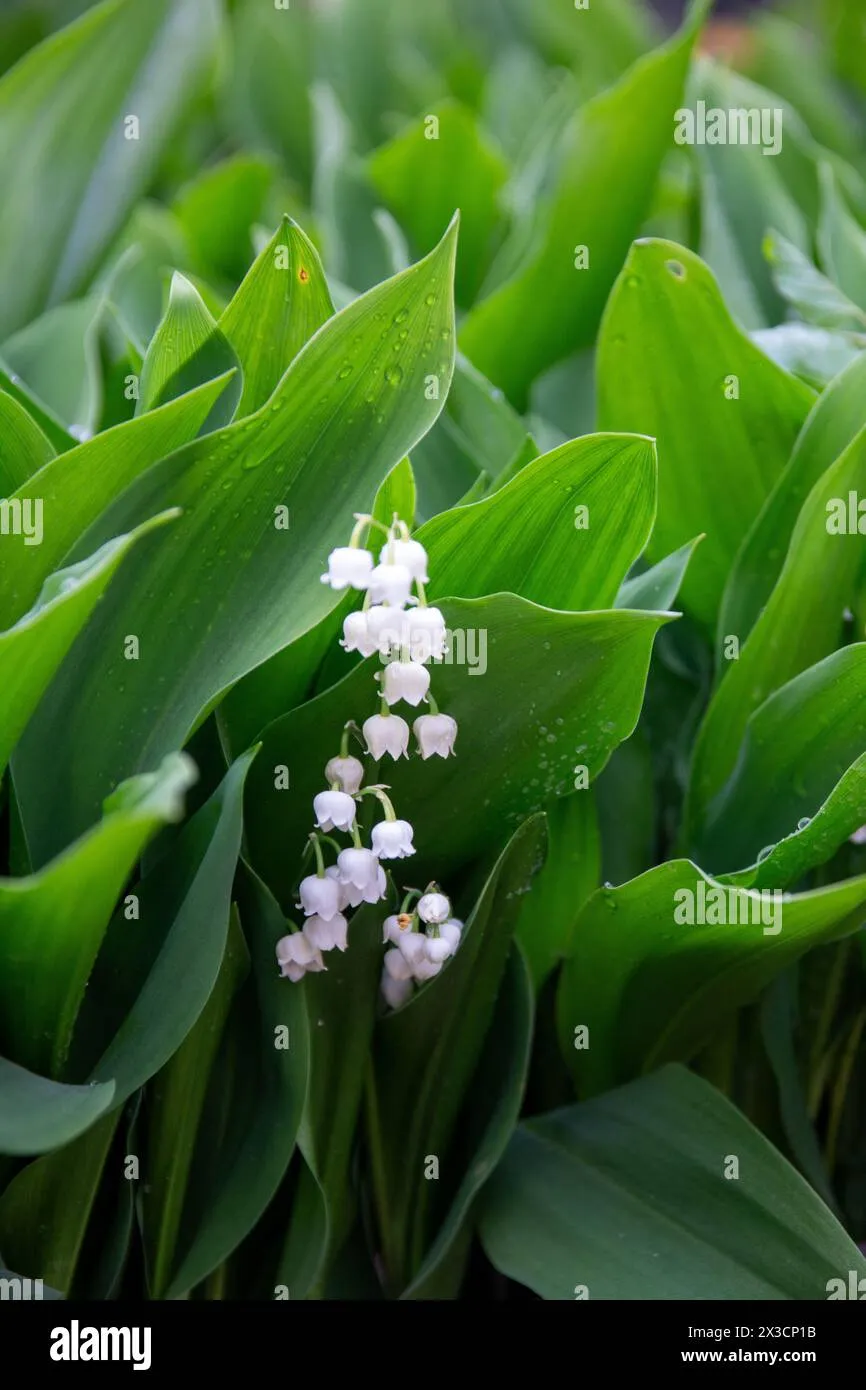
“Ça reste la première fête calendaire après la Saint-Valentin,” says Farell Legendre, highlighting the enduring appeal of muguet on May 1st. French households are embracing this tradition, spending 19.4 million euros on muguet purchases in 2024.
The tradition of offering muguet, or lily of the valley, dates back to the 16th century when Charles IX received a sprig during a trip to Drôme in 1561. Since then, it has become a symbol of good luck in France, particularly celebrated on Labor Day.
As May Day approaches, many people flock to flower markets and street vendors to purchase this fragrant bloom. However, sales of muguet are tightly regulated; only cut sprigs can be sold without direct competition from florists.
Municipal decrees authorize the sale of muguet exclusively on May 1st. This regulation ensures that local florists can maintain their businesses while allowing residents to partake in this beloved custom.
Yet, the popularity of muguet comes with a cautionary note—every part of the plant is toxic. Consuming it can lead to nausea, abdominal pain, and even heart disorders. Despite these risks, many still choose to celebrate with this flower.
Picking muguet from forests is also subject to regulations since the plants belong to landowners. This adds another layer to the tradition as families often prefer purchasing from vendors rather than foraging.
The connection between muguet and Labor Day has grown stronger through the years. It became widely recognized as a symbol of spring and renewal in the 20th century.
As we approach May 1st, communities across France are preparing for this floral celebration. The Federation of French Florists has reported a steady interest in muguet sales among households eager to uphold this cherished tradition.
With millions spent each year, it’s clear that muguet remains an integral part of French culture—an enchanting blend of beauty and caution that continues to bloom in homes across the nation.