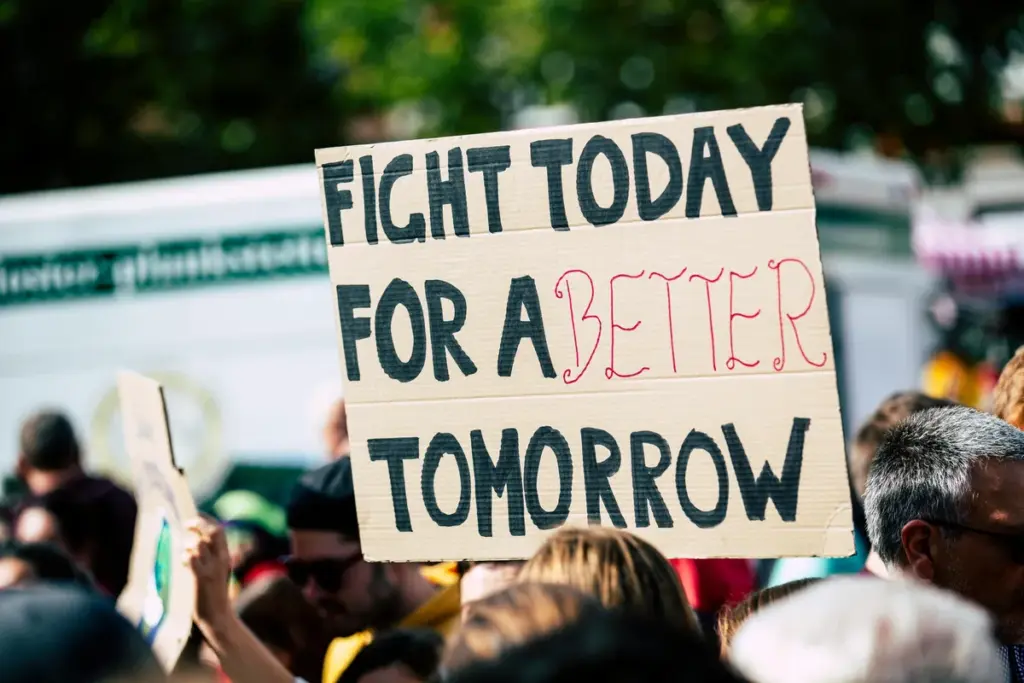
The Alberta Federation of Labour is organizing a provincewide Day of Protest on May 29, 2026, urging citizens to shift from traditional demonstrations to more disruptive actions. President Gil McGowan emphasized the need for this change, stating, “It’s time to move ‘from anger to action and from demonstration to disruption.'” This call comes as political tensions escalate in Alberta.
Recent events have heightened awareness around the importance of effective protest strategies. In Toronto, protesters clashed during a TMU student event that featured Israeli soldiers. The situation led to six arrests and additional charges against two individuals for public incitement of hatred. Five people also suffered injuries from broken glass during the unrest.
These incidents resonate with broader themes of community action and Indigenous rights. On the other side of the world, approximately 400 Indigenous people gathered in Alice Springs, Australia, following the arrest of a suspect named Jefferson Lewis, who has a history of violent crimes. The protests there turned chaotic as police deployed tear gas to manage the crowd.
Key facts:
- The AFL’s Day of Protest aims to mobilize over 3 million Albertans who have faced doxxing from separatists.
- Gil McGowan’s remarks highlight a growing frustration among citizens regarding current political climates.
- The TMU protest reflects ongoing tensions surrounding issues like hate crimes and public safety.
- Alice Springs has seen repeated clashes as communities demand justice for Indigenous victims.
This shift in strategy may reflect a larger trend in how protests are conducted. As communities grapple with rising political tensions and incidents of violence, many are questioning the efficacy of traditional protest methods. The outcomes remain uncertain—how will these new strategies be received by both authorities and citizens alike?