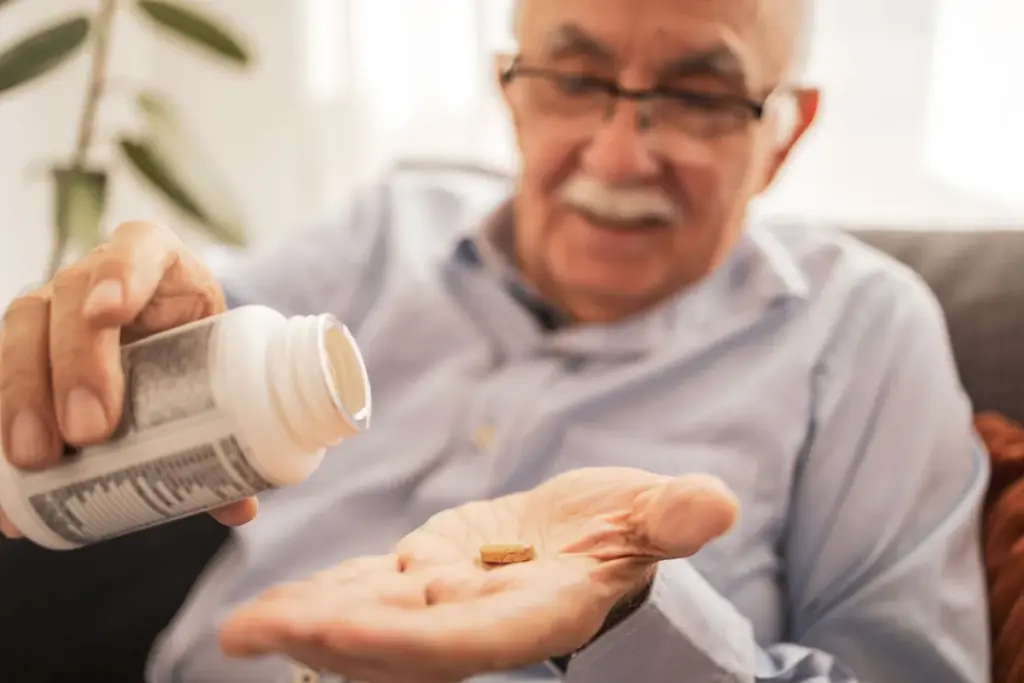
Does a daily multivitamin slow biological aging?
The recent multivitamin biological clock study raises an intriguing question: can daily multivitamin supplementation actually slow biological aging? The answer appears to be yes, with findings suggesting that it may slow biological aging by about four months over a two-year period.
The study, published in Nature Medicine, analyzed DNA methylation data from blood samples of 958 participants, who had an average chronological age of 70. Participants were randomized into four groups: one receiving multivitamins and cocoa extract, another receiving cocoa extract and placebo, a third group receiving multivitamins and placebo, and a final group receiving two placebos. This rigorous design allowed researchers to isolate the effects of multivitamins on biological aging.
Significantly, the study found statistically significant slowing in two epigenetic clocks that are predictive of mortality. These clocks estimate biological aging based on changes in DNA methylation, providing a biological perspective on aging that may differ from chronological age. Howard Sesso, a researcher involved in the study, remarked, “It was exciting to see the benefits of a multivitamin linked with markers of biological aging.” This suggests that multivitamins could play a role in promoting healthier aging.
The research was funded by the National Institutes of Health, highlighting the importance of understanding accessible and safe interventions that contribute to healthier, higher-quality aging. The study indicates that those who were biologically older than their actual age benefited the most from multivitamin supplementation, suggesting a targeted approach to using these supplements.
Despite these promising findings, uncertainties remain. The clinical relevance of the findings is still unclear, and it is not known who specifically benefits from multivitamin supplementation. As Sesso noted, “Ultimately, it is critical to determine the clinical relevance of our findings.” Additionally, he mentioned that “there are no known risks for taking a multivitamin in our two large clinical trials,” which may encourage more individuals to consider multivitamin use.
As many people take multivitamins without being fully aware of their potential benefits, this study opens the door to further research. “A lot of people take a multivitamin without necessarily knowing any benefits from taking it, so the more we can learn about its potential health benefits, the better,” Sesso added. This highlights the importance of ongoing research in the field of nutrition and aging.
Details remain unconfirmed regarding the specific mechanisms by which multivitamins may influence biological aging and the long-term implications of these findings. As the scientific community continues to explore these questions, the multivitamin biological clock study serves as a significant step toward understanding how simple dietary interventions can impact health and longevity.