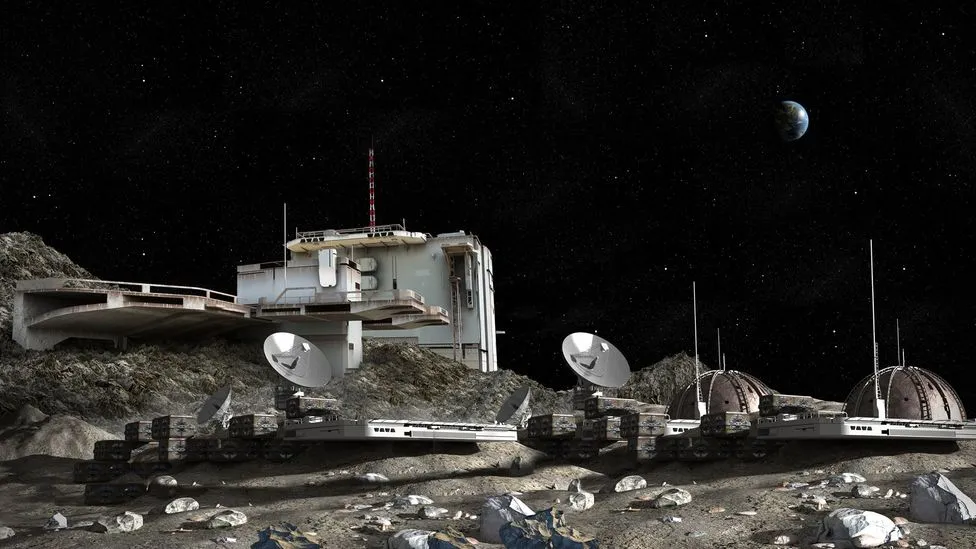
NASA’s ambitious plans to construct a $20 billion base on the moon’s surface over the next seven years signal a transformative era in space exploration. This initiative, part of the Artemis program, aims to establish a permanent lunar presence by 2028, allowing for a new chapter in human exploration beyond Earth.
The decision to build the moon base comes with the cancellation of the Gateway lunar space station, a shift that underscores NASA’s commitment to a more direct approach to lunar exploration. Development will unfold in three phases, commencing with robotic missions that will lay the groundwork for future human habitation.
NASA Administrator Jared Isaacman emphasized the importance of this project, stating, “NASA is committed to achieving the near‑impossible once again, to return to the moon before the end of President Trump’s term, build a moon base, establish an enduring presence, and do the other things needed to ensure American leadership in space.” This reflects a renewed focus on American leadership in space exploration.
The Artemis program aims to return American astronauts to the moon for the first time since 1972, with a target human moon landing no earlier than 2028. NASA plans to increase the cadence of human moon landings, targeting crewed surface missions at least every six months after Artemis 5.
Since 2024, NASA has successfully landed three robotic vehicles on the moon, paving the way for future missions. The agency will also leverage its Commercial Lunar Payload Services (CLPS) program to facilitate lunar missions, working alongside commercial and international partners.
Isaacman noted, “We will invest approximately $20 billion over the next seven years and build it over dozens of missions, working together with commercial and international partners towards a deliberate and achievable plan.” This collaborative approach is expected to enhance the efficiency and effectiveness of the lunar program.
As the plans unfold, NASA is also preparing for 30 uncrewed landings in 2027, which will be critical in testing technologies and systems necessary for human missions. The 322-foot Space Launch System rocket will play a vital role in these missions, demonstrating the capabilities required for sustained lunar exploration.
While the excitement around the moon base project grows, it is important to recognize that “the moon base will not appear overnight,” as Isaacman stated. The journey to establishing a permanent presence on the moon will be gradual and requires careful planning and execution.
Details remain unconfirmed regarding the specific timeline and milestones for the construction of the moon base, but the commitment to this ambitious project marks a significant step forward in humanity’s quest to explore and inhabit other celestial bodies.