Reaction from the field
The escape of Polish Jews during the Holocaust has left an indelible mark on history, with stories of survival that resonate deeply within communities today. One such narrative is captured in Mikhal Dekel’s poignant book, “Tehran Children,” which chronicles the harrowing journey of her father, Hannan Teitel, and the broader plight of Polish Jews during this dark chapter. The stakes are clear: approximately 250,000 Polish Jews survived the Holocaust through similar means as Hannan’s family, highlighting the importance of these personal stories in understanding collective history.
Hannan Teitel’s life began in Ostrów Mazowiecka, Poland, where he was born into a well-to-do family. However, in 1939, the looming threat of the Holocaust forced his family to flee toward the Soviet border. This desperate escape was fraught with danger, as they were arrested by the NKVD and sent to Arkhangelsk, where they endured 14 months of labor under harsh conditions. The journey from Arkhangelsk to Uzbekistan spanned 2,000 kilometers, a testament to their resilience and determination to survive.
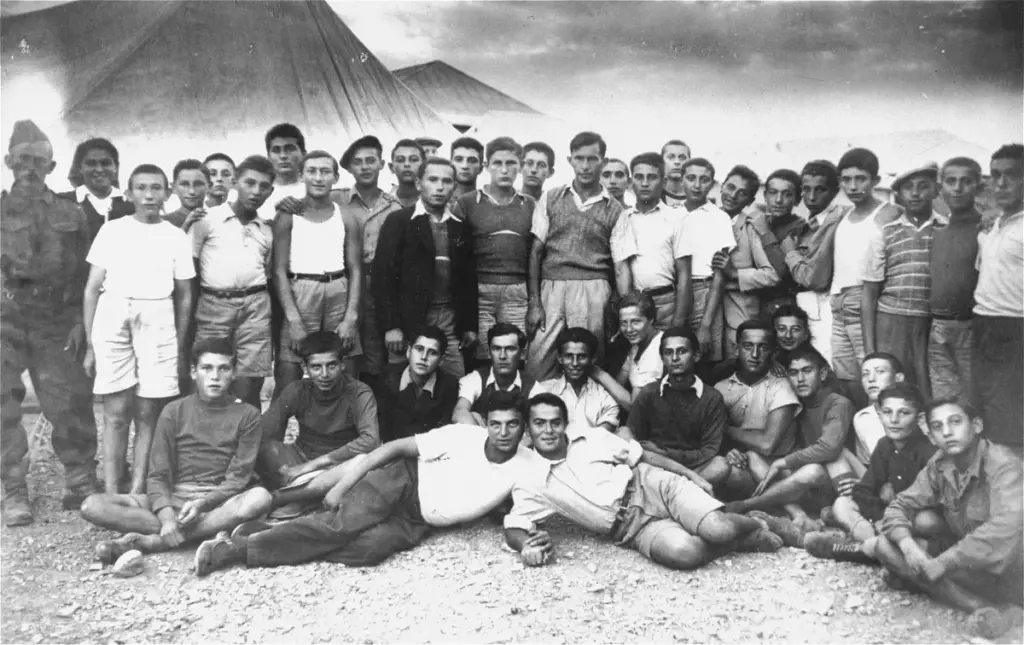
As the war progressed, the formation of the Anders Army marked a significant turning point. This military unit was established with the intention of fighting alongside the Allies against Nazi Germany. In a humanitarian gesture, about a thousand Polish Jewish children were evacuated with the Anders Army to Iran, where they found refuge in Tehran. This relocation was crucial, as Iran, despite its initial ties to Germany, became a hub for Allied activity following the invasion.
In Tehran, the evacuated Polish Jewish children were gathered at the “Hebrew Children’s Home of Tehran,” a place that offered them a semblance of safety amidst the chaos of war. Mikhal Dekel undertook a decade-long journey to retrace her father’s steps, uncovering the severe hardships faced by her family and others during their escape. The lack of food and shelter, coupled with the tensions that existed between Polish Jews and Christian Poles in Central Asia and Iran, painted a complex picture of survival.
Mikhal reflects on her father’s unique experience, stating, “This book is about my father and me, but it is also about a quarter of a million Polish Jews who survived in a similar way; my father’s story is therefore both unique and universal.” This sentiment underscores the shared struggles and triumphs of those who navigated the perilous landscape of war and persecution.
The journey of Polish Jews, including Hannan Teitel’s family, was marked by moments of desperation and courage. As Mikhal recounts, “My family realizes they will die if they stay there, and in the middle of the night they flee the kolkhoz toward Samarkand.” Such narratives are essential in understanding the broader context of the Holocaust and the various paths taken by those seeking safety.
As we reflect on these historical events, it is vital to acknowledge the complexities of the relationships formed during this time. The interactions between Polish Jews and their Christian counterparts in Central Asia and Iran were often fraught with tension, yet they also revealed moments of solidarity and support. The stories shared by survivors like Hannan Teitel provide invaluable insights into the human spirit’s resilience in the face of unimaginable adversity.
Looking ahead, the legacy of these experiences continues to shape our understanding of history and community. As Mikhal Dekel’s work highlights, the journey of Polish Jews during the Holocaust is not just a tale of survival; it is a reminder of the importance of remembering and honoring those who endured such trials. Details remain unconfirmed regarding the full extent of these narratives, but the impact of their stories will undoubtedly resonate for generations to come.