Introduction
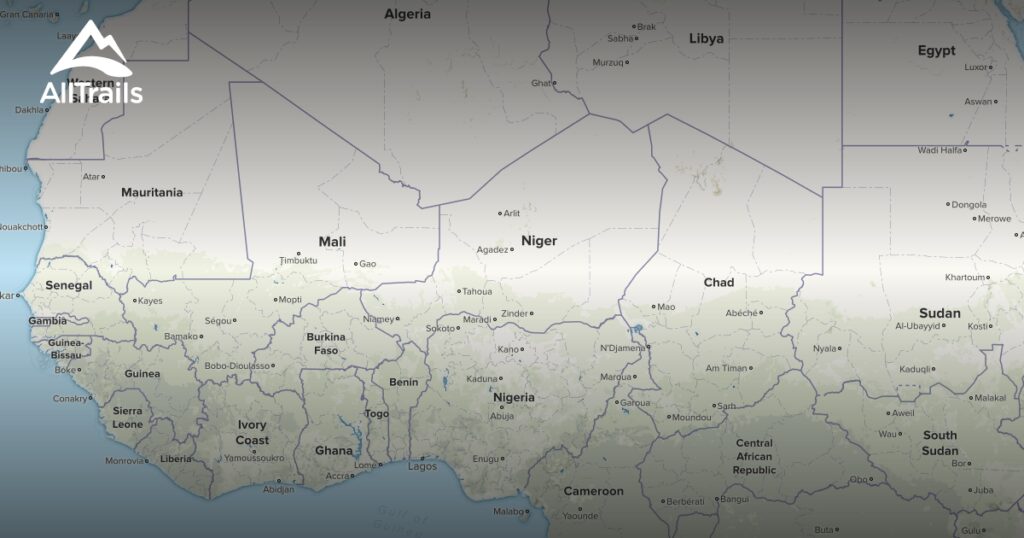
The West African nation of Niger, rich in cultural heritage and natural resources, has recently found itself at the center of a geopolitical crisis following a military coup in July 2023. This political upheaval has not only destabilized the region but has also raised significant concerns regarding international security, humanitarian issues, and economic impacts.
The Current Situation
Recently, the military junta in Niger has faced resistance from the civilian population as well as from international entities. Protests erupted across the country, calling for the restoration of democratic governance, which has been a point of contention since the ousting of President Mohamed Bazoum. The junta’s control has created an environment of uncertainty, posing threats to the nation’s stability.
Furthermore, Niger’s vital role in combating terrorism in the Sahel region is being jeopardized. With active groups like Boko Haram and al-Qaeda conducting operations nearby, instability in Niger could lead to a resurgence of violence spreading across borders. An estimated 3.3 million people in Niger are already experiencing food insecurity, exacerbated by the coup and ongoing conflicts.
International Responses
Global reactions have varied significantly. The Economic Community of West African States (ECOWAS) has imposed sanctions on Niger, aiming to restore constitutional rule. Meanwhile, the United Nations and numerous NGOs are warning of a potential humanitarian crisis if the situation does not improve. International partnerships, particularly in counter-terrorism efforts, may also be realigned as countries reassess their strategies amidst this instability.
Conclusion
The situation in Niger serves as a stark reminder of the fragility of democracy in the region and the complex interlinkages between political stability and humanitarian needs. As the international community watches closely, the path ahead for Niger remains uncertain. Countries in the region and global actors must engage diplomatically to ensure peace while addressing the pressing crises faced by its population. Understanding and supporting Niger during this turbulent time is critical not only for the country’s future but also for stability in the broader Sahel region.