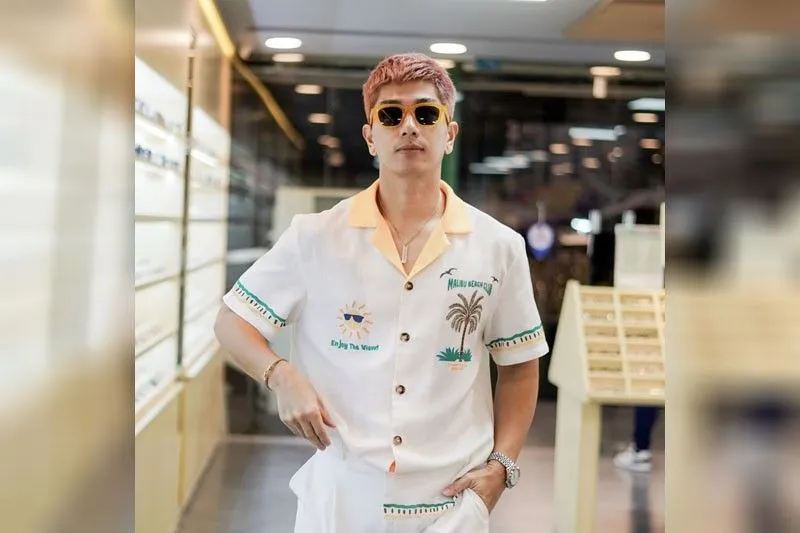
The controversy surrounding Nikko Natividad began on February 28, 2026, when screenshots and links claiming to show an explicit private clip allegedly involving him started circulating online. This incident quickly gained traction across various social media platforms, turning into a trending topic.
In response to the viral nature of the situation, Nikko Natividad issued an apology on Instagram, stating simply, “I’m sorry.” His public acknowledgment came amid growing concerns about the implications of the alleged video.
Arron Villaflor, a fellow actor, characterized the unfolding events as a “smear campaign,” suggesting that the controversy may have ulterior motives behind it. He emphasized that the public’s reaction would depend on their perspectives regarding the incident.
Adding to the discourse, Gil Cuerva, who was also implicated in the situation, clarified that the video was recorded without his knowledge or consent during a private moment. He condemned the actions leading to the video’s distribution, stating, “The use of a hidden camera and the distribution of that recording are serious violations of my privacy and constitute a crime.”
As the situation escalated, cybersecurity experts warned the public against clicking on links claiming to host the alleged videos, highlighting the risks associated with misinformation and potential malware.
Legal experts weighed in on the matter, noting that sharing intimate content without consent can lead to criminal charges, further complicating the legal landscape surrounding the incident.
The controversy has raised significant concerns about digital privacy and the responsibilities of individuals in the online space. It has sparked discussions about responsible online behavior and the potential consequences of sharing unverified content.
Despite the widespread attention, no credible source has verified the authenticity of the alleged video, leaving many questions unanswered. Details remain unconfirmed.
Nikko Natividad is known for his roles in projects such as “Pagpag 24/7” and “I Am Not Big Bird,” and this controversy has placed him at the center of a broader debate about online privacy and the impact of digital misinformation.
As discussions continue, the full implications of the controversy on the reputations of those involved remain unclear, making it a significant topic of interest in the realm of social media and public discourse.