“The fireball likely rained meteorites over Medina County, which would be the 15th confirmed strike in Ohio,” an expert noted following the dramatic event.
On March 17, 2026, a fireball meteor exploded over Northeast Ohio, captivating the attention of residents and astronomers alike. The meteor, confirmed by NASA to be an asteroid entering Earth’s atmosphere, was first visible at an altitude of around 50 miles above Lake Erie.
Traveling at an astonishing speed of about 40,000 mph, the meteor weighed approximately 7 tons and measured about 6 feet in diameter. The explosion created a pressure wave equivalent to 250 tons of TNT, shaking the ground and startling those nearby.
The meteor broke apart about 30 miles above Valley City, just north of Medina, scattering fragments that are likely to be found across Medina County. Eyewitness reports flooded in, with at least 200 individuals contacting the American Meteor Society to share their experiences of the breathtaking sight.
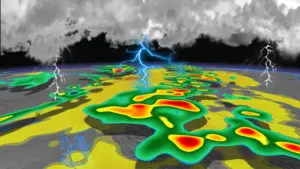
NASA confirmed that the meteor was detected by the Geostationary Lightning Mapper, utilizing satellite technology and regional cameras to track its path. The streaking fireball was also visible from space, captured on camera by the National Oceanic and Atmospheric Administration’s (NOAA) GOES-19 weather satellite.
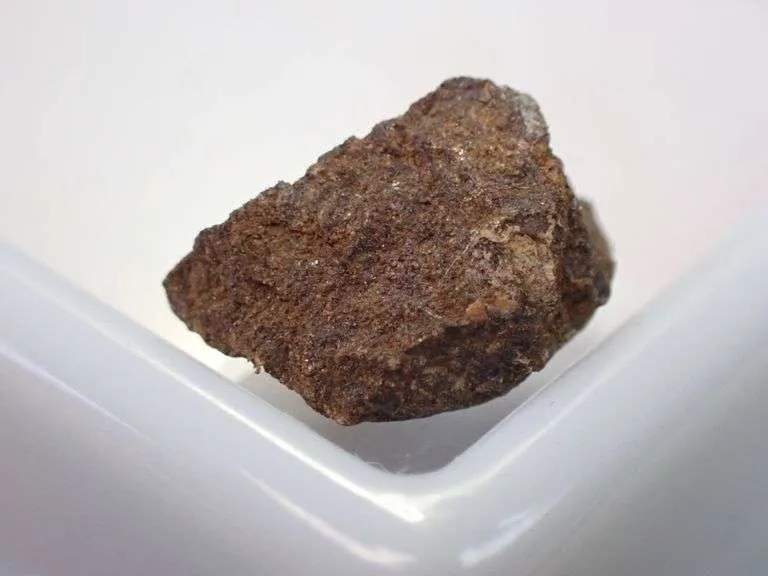
This event is particularly significant as meteorites, which are meteors that survive their journey through the Earth’s atmosphere to reach the ground, have been confirmed in 14 locations around Ohio. The potential for this explosion to mark the 15th confirmed meteorite strike adds to the state’s rich history of astronomical events.
As the community comes together to discuss the implications of this spectacular occurrence, experts are eager to analyze the meteorite fragments that may soon be discovered. The excitement surrounding the event is palpable, with many hoping to contribute to the scientific understanding of such phenomena.
Details remain unconfirmed regarding the exact locations where meteorites may have landed, but the anticipation continues to build as residents and scientists alike await further developments.