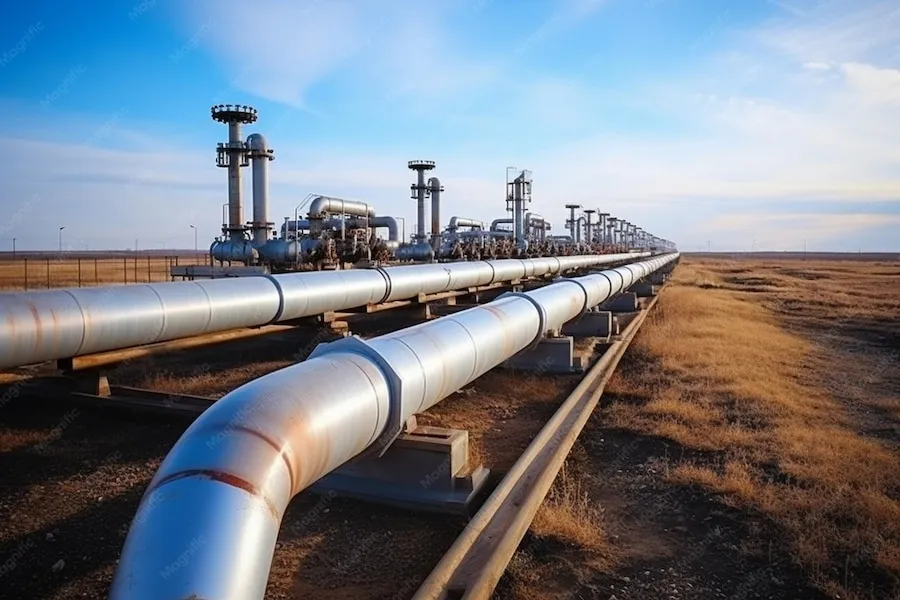
The Bridger Pipeline expansion, dubbed ‘Keystone Light’, is set to deliver more than half a million barrels per day of Alberta oil to U.S. facilities. This project, signed into action by U.S. President Donald Trump, marks a partial revival of the controversial Keystone XL pipeline amidst ongoing environmental concerns.
At its peak, the 1,050-kilometre pipeline will move two-thirds as much oil as Keystone XL. The joint venture between Calgary-based South Bow and U.S.-based Bridger aims to increase Canada’s crude exports to the U.S. by over 12%. However, it requires additional state and federal environmental approvals before construction can commence.
More than 70% of the pipeline will be built within existing corridors, with 80% situated on private land. But environmentalists are voicing significant concerns about potential spills, a risk highlighted by past incidents involving Bridger Pipeline. Jenny Harbine, an environmental advocate, stated, “The biggest concern we see right now is the concern inherent in all pipeline projects which is the risk of spills.”
Bridger Pipeline’s history includes several major accidents—like the 240,000 litres spilled into the Yellowstone River and 2.7 million litres in North Dakota. Bill Salvin from Bridger asserted that they have designed the pipeline with integrity and safety in mind.
Danielle Smith, Premier of Alberta, emphasized the importance of energy trade with the U.S., saying, “The U.S. is our most important trading partner and we will continue to deliver energy to help secure North American energy dominance.” In contrast, Trump noted a stark shift from previous administrations’ reluctance to approve such projects.
While this expansion could bolster economic ties and energy supply between Canada and the U.S., uncertainties linger regarding the timeline for construction and potential court challenges that may arise against it.