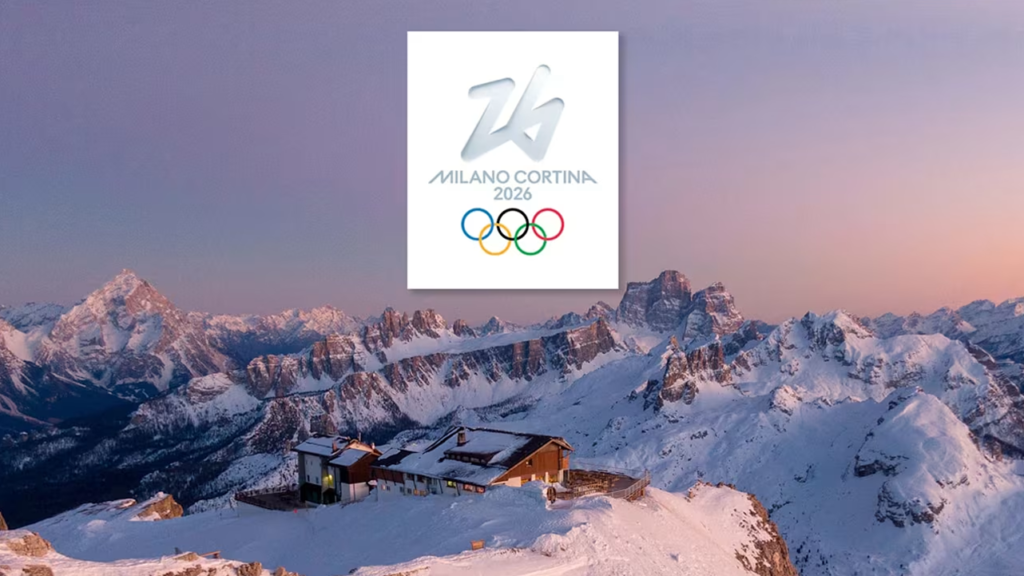
Introduction to Olympics 2026
The XXXV Olympic Winter Games are set to take place in 2026, and the excitement is already building around this monumental event. Scheduled for February 6 to February 22, 2026, the games will be hosted in three cities: Milan and Cortina d’Ampezzo in Italy, making this a historic dual-host setup. The significance of the Olympics goes beyond mere sports; it serves as a unifying platform for the world, promoting peace and global cooperation. With concerns around climate change, the Olympics 2026 will also be pivotal in showcasing sustainable practices within the realm of international sports.
Details and Developments
Italy was awarded the Games back in June 2019, and since then, a myriad of developments have been underway. The Olympic Games will include 15 sports, featuring 109 medal events, including new disciplines such as mixed team events in various sports, which have rapidly gained popularity. Venues will leverage existing infrastructures, reflecting a commitment towards sustainability; for instance, some events will take place in historic sites, showcasing Italy’s rich cultural heritage.
As the world continues to recover from the COVID-19 pandemic, the IOC is focused on ensuring safety protocols for athletes and spectators alike. Innovations in technology will also play a role, with potential plans to integrate digital platforms for broader community engagement and participation. Public opinion in Italy shows overwhelming support for the Games, with a recent survey indicating that more than 70% of Italians believe the Olympics will bring benefits to the local economy and tourism.
Conclusion and Future Significance
The Olympics 2026 will not just be a showcase of athletic prowess but also a moment to emphasize sustainability, resilience, and unity. The preparation for these Games holds significant implications for Olympic cities, the environment, and global sports culture. As we move closer to the event, many are optimistic about its legacy, projecting a boost to the local economies, young athlete inspiration, and heightened global attention to winter sports. Looking forward, the success of the 2026 Olympics may set the standard for future Olympics, pushing host cities to consider the long-term effects of their sporting events.