Background on Drug Trafficking in Latin America
The U.S. has invested billions of dollars in military aid to Latin American allies in an effort to combat drug trafficking. Despite these efforts, cocaine production has reached record highs, leading to a growing sense of urgency regarding the effectiveness of current strategies. The situation has prompted discussions about the need for a more aggressive approach to tackle the pervasive influence of drug cartels in the region.
Hegseth’s Call to Action
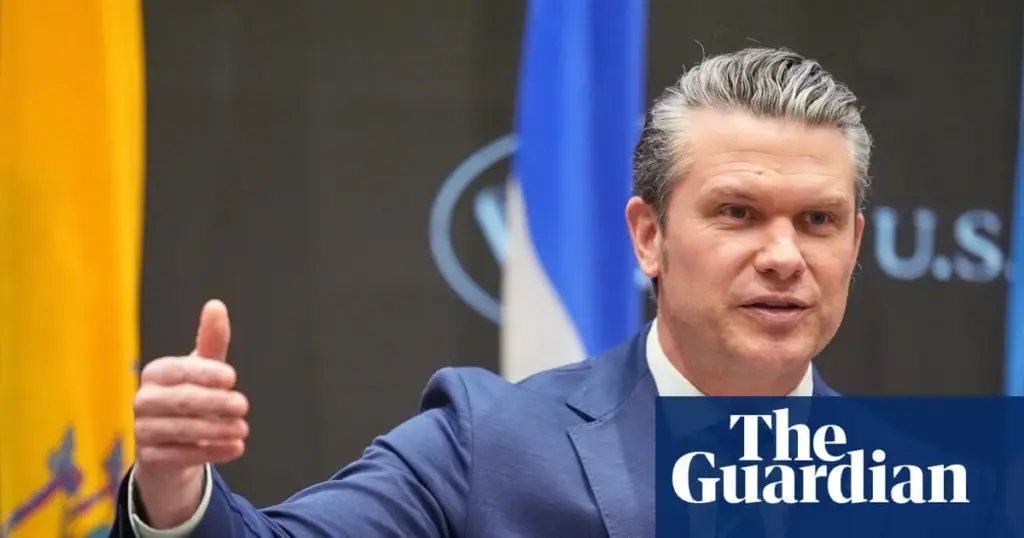
At the 2026 Americas Counter Cartel Conference held in Miami, Florida, Pete Hegseth urged Latin American countries to adopt a more aggressive stance against drug cartels. His remarks came as representatives from 16 Latin American and Caribbean countries gathered to discuss strategies for combating drug trafficking. Notably, Colombia, Mexico, and Brazil, which are significant players in the drug trade, did not attend the conference.
Decisive Moment and Immediate Numbers
During the conference, Hegseth stated, “America is prepared to take on these threats and go on offense alone if necessary.” This declaration reflects a shift in U.S. policy, indicating a willingness to act unilaterally if regional cooperation fails. The urgency of the situation is underscored by the fact that 152 people have been killed in strikes on small boats during the ongoing war on drugs, highlighting the violent reality of the drug trade.
Responses from Political Figures
Hegseth’s comments have drawn a mixed response from political figures and commentators. Stephen Miller, a prominent voice at the conference, argued that drug cartels can only be defeated with military force, likening them to terrorist organizations such as ISIS and Al-Qaida. This perspective emphasizes a hardline approach to dealing with drug trafficking, suggesting that ruthless measures are necessary.
Criticism of Military-Only Approaches
However, not all voices agree with this militaristic viewpoint. David Marques criticized the exclusively military approach to drug trafficking as a simplification of a complex issue. He stated, “Military power alone is not sufficient to deal with this challenge,” highlighting the need for a multifaceted strategy that addresses the root causes of drug trafficking.
Public Reactions and Critiques
Hegseth has faced criticism for his remarks regarding American casualties in the Iran War, with Joe Scarborough describing his behavior as childish and emotionally unprepared for his role. Mika Brzezinski echoed this sentiment, calling Hegseth’s remarks pathetic and embarrassing. These critiques reflect a broader concern about the implications of adopting a more aggressive military stance in foreign policy.
Conclusion and Future Implications
The discussions at the Americas Counter Cartel Conference signal a potential shift in U.S. foreign policy regarding drug trafficking in Latin America. As the debate continues, the effectiveness of military action versus diplomatic efforts remains a contentious topic. With the stakes high and the consequences of inaction evident, the future of U.S. involvement in combating drug cartels will likely be closely scrutinized.