What the data shows
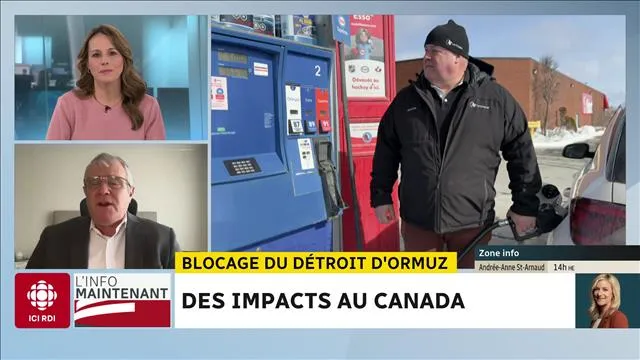
Gas prices in Vancouver have recently surpassed $2 per liter, a significant increase attributed to the ongoing war in Iran. As of March 15, 2026, the lowest gas prices in the city are around $1.989 per liter, while premium 91 gasoline has been reported at over $2.25. This surge in prices is not isolated to Vancouver; in Prince George, gas prices are approximately $1.608 per liter, and in the Okanagan Valley and on the island, they are around $1.749 per liter.
The conflict in Iran has disrupted global oil supplies, leading to a noticeable impact on fuel prices across British Columbia. Local residents are feeling the pinch, as expressed by Nader Salamat, who stated, “I already spent $80 to fill my car this morning, and now I’ve just spent $40 to barely get 16 liters into my truck.” This sentiment reflects the frustration many consumers are experiencing as they navigate the rising costs of fuel.
Corey Jacques, another local, commented on the broader implications of the situation, saying, “This is what happens when America starts waging war. We start to feel it, and it’s going to be like this for the next ten or twenty years.” The war in Iran has led to a reduction in global oil supply, with Yvan Cliche noting that there is a shortfall of one-fifth of the world’s oil supply, which is exacerbating the situation.
Despite Canada being a net oil exporter, the prices consumers pay at the pump are influenced by global markets. Cliche further emphasized, “Even though we are oil exporters, our prices are globalized.” This highlights the interconnected nature of the oil market and how geopolitical events can have immediate effects on local economies.
In Quebec, the situation is also complex, with a fuel tax of 20.2 cents per liter and a registration fee of $140 contributing to the overall cost of fuel. The province faces a cumulative maintenance deficit of $22.5 billion for road infrastructure, which may also play a role in future pricing strategies. Interestingly, the surplus of the Fonds d’électrification et de changements climatiques (FECC) was reported at $1.8 billion last year, indicating that there are funds available for potential infrastructure improvements.
As fuel prices continue to rise, the price of kerosene has also seen a dramatic increase, averaging 58.4% since March 6, 2026. This rise in kerosene prices further complicates the energy landscape, affecting not only consumers but also businesses that rely on this fuel for operations.
Details remain unconfirmed regarding how long these price increases will last and whether they will stabilize as the situation in Iran evolves. For now, consumers in Vancouver and across British Columbia must adapt to the new reality of higher fuel costs, which are likely to influence spending habits and economic conditions in the region.