Introduction
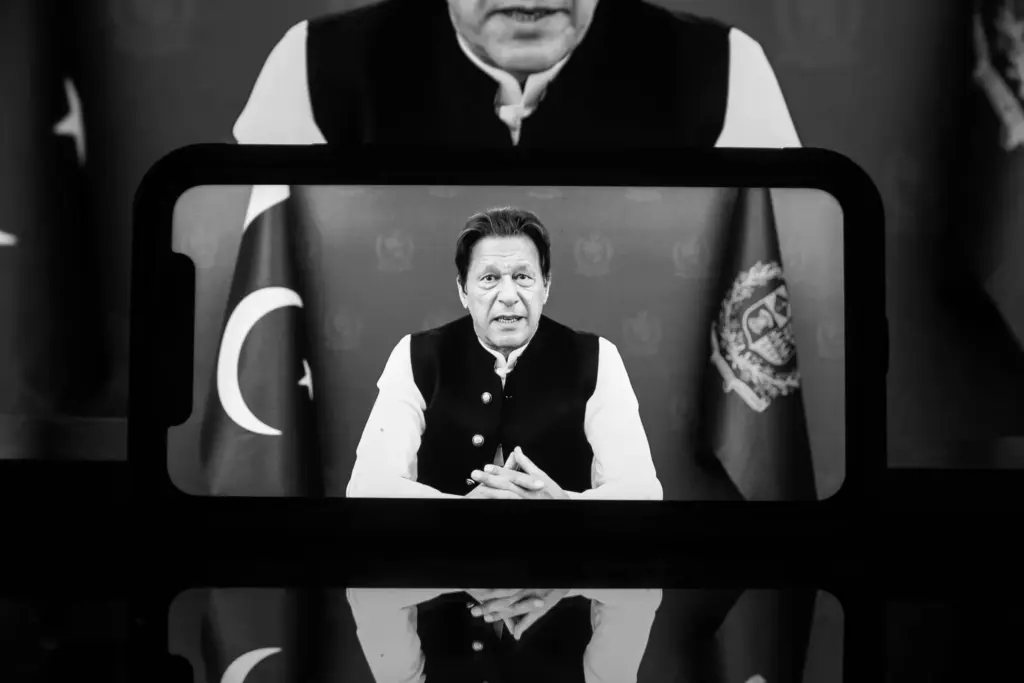
Imran Khan, the former Prime Minister of Pakistan, has been a significant figure in both national and international politics. His recent legal troubles and political struggles have garnered worldwide attention, reflecting crucial shifts in Pakistan’s political landscape. This article aims to unpack the latest developments surrounding Imran Khan, highlighting their importance for the political future of Pakistan and potential implications for its relations with other nations.
Legal Troubles and Political Challenges
In recent weeks, Imran Khan faced a series of legal challenges, including allegations of corruption and mismanagement during his tenure as Prime Minister. Khan was convicted by a special court in August 2023, which sentenced him to three years in prison. This conviction has sparked a nationwide outcry among his supporters and has led to significant protests across the country.
Furthermore, Khan’s party, the Pakistan Tehreek-e-Insaf (PTI), is struggling to maintain its influence amid increasing political instability. His political opponents have been quick to exploit his legal predicaments, seeking to dismantle the momentum that PTI built under Khan’s leadership. The situation remains tense as various factions within the political spectrum maneuver for power, adding to the challenges Khan’s supporters face in navigating the turbulent waters of Pakistani politics.
The International Perspective
From a global viewpoint, Khan’s situation is not just a national concern; it raises questions about Pakistan’s international relations, particularly with key allies like the United States and China. As a former cricketer who turned politician, Khan had positioned himself as a reformist leader focusing on anti- corruption and social justice. However, his current predicament may threaten these initiatives and lead to a reevaluation of foreign policy directions.
Conclusion
The unfolding narrative surrounding Imran Khan is pivotal for understanding the future trajectory of Pakistan. As Khan faces legal challenges and a politically hostile environment, the implications of his situation could resonate beyond its borders. For observers and citizens alike, staying informed about these developments is essential as they influence not only the domestic landscape of Pakistan but also its international relations and regional stability. As political tensions rise, the coming months will be critical in determining whether Khan can reclaim his standing or whether new leadership will emerge in the wake of his controversies.