Introduction
Kim Jong Un, the Supreme Leader of North Korea, remains a pivotal figure in global politics, particularly in discussions regarding nuclear proliferation and international relations. His leadership style and strategic decisions significantly impact regional stability and the security dynamics of East Asia. Following his ascent to power in 2011, Kim has reshaped North Korea’s domestic and foreign policies, making his actions crucial to global security.
Recent Developments
In recent months, Kim Jong Un’s activities have drawn attention, especially with the escalating tensions on the Korean Peninsula. In September 2023, North Korea conducted a series of missile tests, which were condemned by the international community. These tests included short-range ballistic missiles launched into the Sea of Japan, raising alarms in both South Korea and Japan. Analysts suggest these actions are part of a strategy to bolster North Korea’s defense capabilities while sending a strong message to the U.S. and its allies.
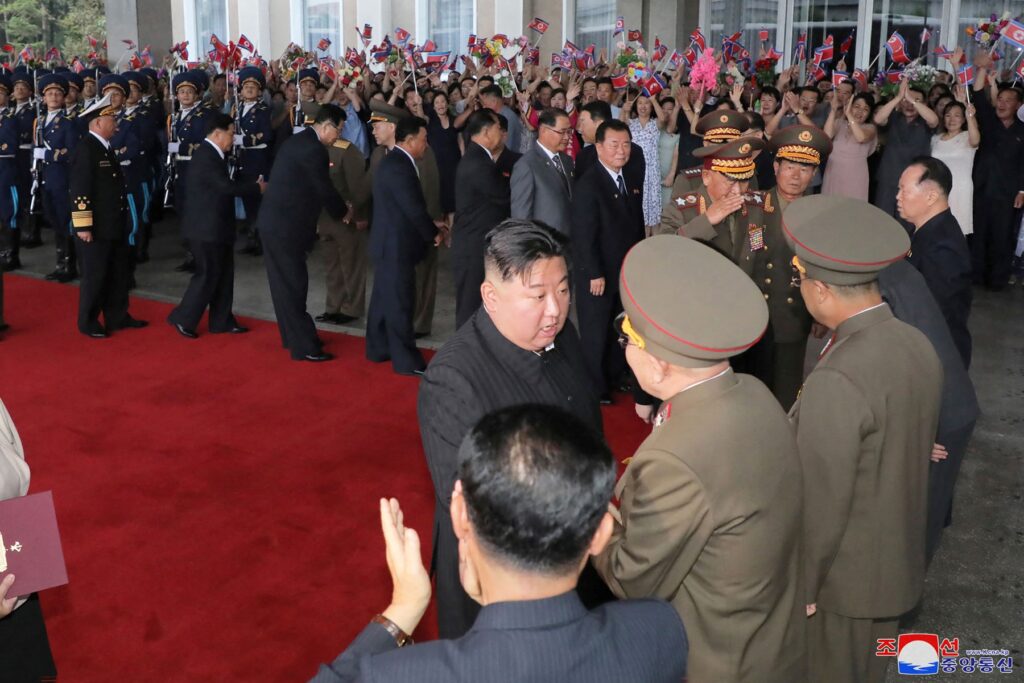
Furthermore, during a summit held in Moscow with President Vladimir Putin in August 2023, Kim expressed interest in enhancing military cooperation between North Korea and Russia. Such developments raise concerns regarding the repercussions for global security, particularly pertaining to the support of North Korea’s weapons programs through Russian technology and resources.
Domestic Policy and Economic Challenges
Domestically, Kim Jong Un has prioritized economic development and self-reliance as part of his “byungjin” policy, aiming to simultaneously develop nuclear weapons and strengthen the economy. This has proven challenging given the economic sanctions imposed by the United Nations due to North Korea’s nuclear program and the impact of the COVID-19 pandemic on the country’s economy. Food shortages and economic hardship have continued to plague North Korea, prompting Kim to emphasize agricultural reform and domestic production in recent speeches.
Conclusion
The leadership of Kim Jong Un remains a double-edged sword for the world, fostering both a sense of threat due to his nuclear ambitions and instability in the region, while also presenting an opportunity for dialogue about disarmament and peace in Northeast Asia. As tensions evolve, the responses from the global community, particularly from the U.S., South Korea, and China, will play a significant role in shaping the future of Kim’s regime and its implications on global security. Understanding Kim’s motivations and actions will be crucial for policymakers as they navigate the complexities of this isolated nation.