Missile-Defense Exercise Highlights Naval Capabilities
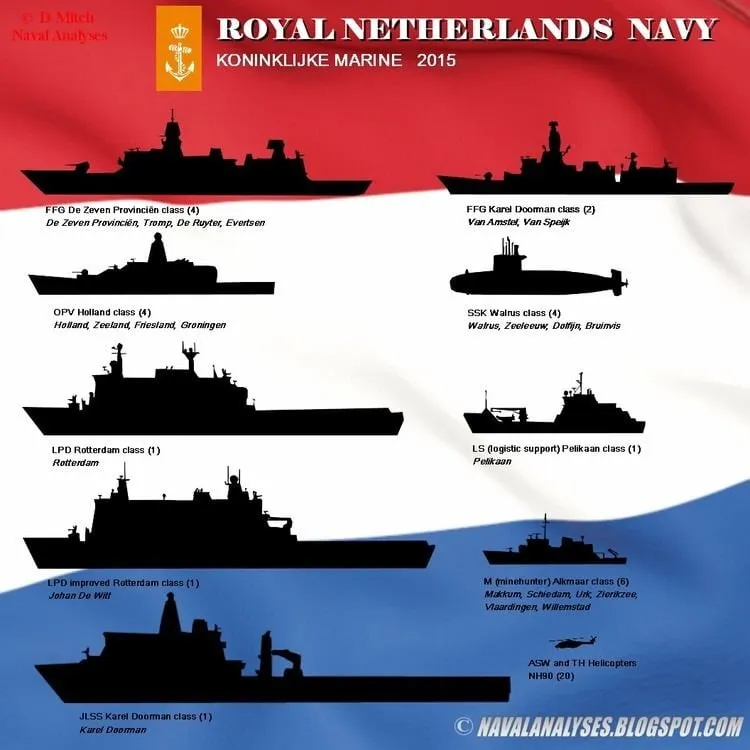
The Royal Netherlands Navy recently conducted a critical missile-defense exercise in the Hebrides Range, Scotland, marking a significant step in enhancing its operational readiness. This exercise, which involved the air-defense frigate HNLMS De Zeven Provinciën, focused on detecting and intercepting drone targets that simulated missile attacks, showcasing the navy’s advanced capabilities in modern warfare.
Advanced Target Simulation
During the exercise, the Royal Netherlands Navy utilized Banshee Jet 80+ aerial targets designed to replicate anti-ship missiles. These drones, capable of reaching speeds of up to 720 kilometers per hour, provided a realistic challenge for the naval forces. According to James Willis from QinetiQ, “Sharpshooter is a unique exercise that allows our customers to test their platforms and weapon systems against a variety of realistic and challenging targets.” This statement underscores the importance of such exercises in preparing for contemporary threats.
Integration of Modern Technologies
The exercise also coincided with the Dutch Ministry of Defence’s recent announcement regarding the selection of the French F21 MK2 torpedo for the upcoming Orka-class submarines. These submarines are set to replace the aging Walrus class and are expected to enter service starting in 2033. The F21 MK2 torpedo is engineered for both anti-submarine and anti-surface warfare, highlighting the navy’s commitment to integrating modern technologies into its fleet.
Joint Military Initiatives
In addition to the missile-defense exercise, the Royal Netherlands Navy is also involved in a joint Mine Countermeasures (MCM) program with the Belgian Navy. This initiative aims to deliver a comprehensive mine countermeasures toolbox, replacing the TRIPARTITE-class MCM ships from the 1980s. The first ship of this joint program, M940 OOSTENDE, was handed over to the Belgian Navy in November 2025, marking a significant milestone in collaborative defense efforts.
Future Developments and Expectations
The new motherships for the Belgian-Dutch MCM program are expected to be delivered by 2030, with specifications indicating a length of 82.6 meters, a maximum width of 17 meters, and a displacement of 2800 tons. These vessels are designed to operate at a maximum speed of 15.3 knots, enhancing the operational capabilities of both navies in mine countermeasures.
Monitoring and Oversight
The recent exercise was closely monitored by personnel from the United Kingdom Ministry of Defence, reflecting the collaborative nature of modern military operations in Europe. The integration of various defense forces underscores the importance of joint exercises in ensuring readiness against evolving threats.
Challenges Ahead
As the Royal Netherlands Navy continues to modernize its fleet, it faces the challenge of addressing contemporary threats, including unmanned systems and anti-torpedo countermeasures. The need for high precision weapons in future conflicts is paramount, as articulated by defense experts. Details remain unconfirmed regarding the full scope of future exercises and developments in naval capabilities.