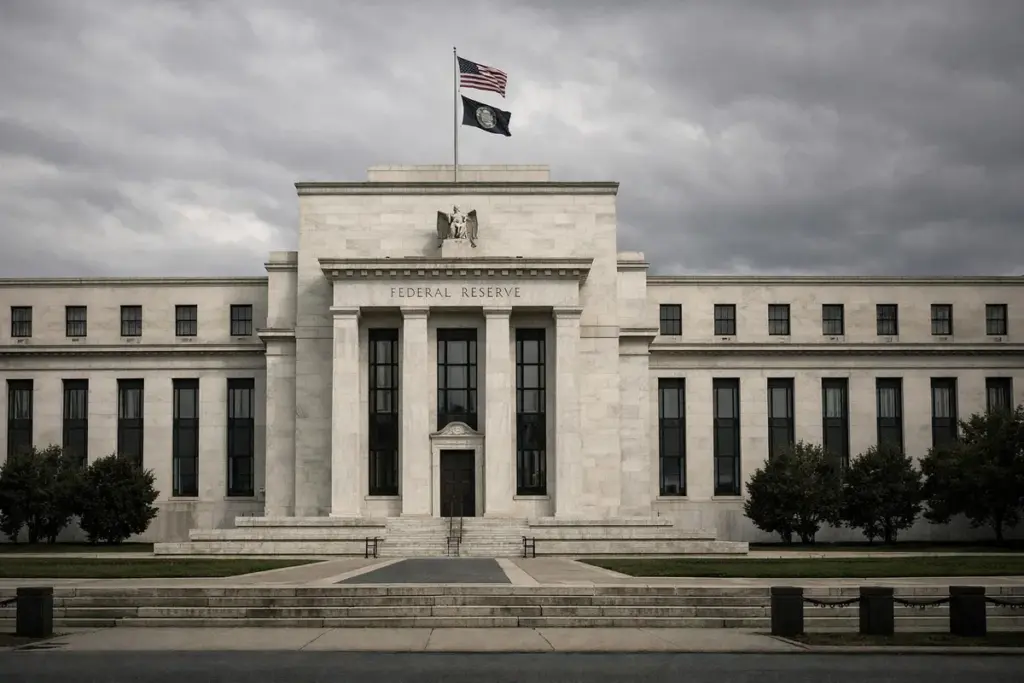
As of mid-March 2026, the economic landscape is increasingly dominated by concerns of stagflation, a situation characterized by stagnant economic growth coupled with high inflation. The Federal Reserve is preparing for its March 17-18 meeting, facing a challenging environment where inflationary pressures are rising while growth is faltering.
On March 16, gold prices retreated below $5,000 per troy ounce, closing at $5,019, driven by a stronger U.S. dollar and diminishing expectations for imminent rate cuts by the Federal Reserve. Silver also saw a decline, sliding nearly 1% to $80.99 per troy ounce.
Oil prices experienced a significant drop, falling roughly 3% to around $95 a barrel after reaching $102 earlier in the session. This fluctuation is partly attributed to the ongoing closure of the Strait of Hormuz, which continues to impact global oil supply and prices.
The national average gas price has surged to $3.72 a gallon, nearly 80 cents higher than a month ago, further straining household budgets. Higher oil prices are contributing to rising headline inflation, which is acting as a drag on consumer spending.
Recent economic data reveals a concerning trend: GDP growth for Q4 2025 was revised down to 0.7% from an initial estimate of 1.4%. Additionally, February’s non-farm payrolls reported a contraction of 92,000 jobs, starkly contrasting with an expected gain of 59,000. The unemployment rate has now hit 4.4%, triggering the Sahm Rule, which indicates that recession is becoming a baseline concern.
Philip Wee, an economist, noted, “The FOMC enters its March 17-18 meeting trapped in a stagflation pincer,” emphasizing the difficult position policymakers find themselves in. He further stated, “Recession is no longer a tail risk but a baseline concern.” This sentiment reflects the growing anxiety among economists and market participants alike.
As central banks navigate this complex landscape, they face a policy crossroads due to the energy shock and inflation concerns. Higher inflation tends to keep interest rates elevated, while weaker growth pressures corporate earnings, creating a challenging environment for businesses.
Equity markets have begun to reflect these stagflation concerns, particularly in energy-importing economies, as investors reassess their strategies in light of rising costs and slowing growth. The persistent constraints on energy flows suggest that the stagflation narrative is likely to endure in the coming months.
In summary, the current economic indicators paint a troubling picture of stagflation, with rising inflation and declining growth posing significant challenges for consumers, businesses, and policymakers alike.