The Sunset of March 8, 2026: A Celestial Event in Michigan
On March 8, 2026, residents of Michigan will experience a unique sunset as the conjunction of Venus and Saturn occurs shortly after the sun dips below the horizon. This celestial event is particularly noteworthy as it coincides with the start of Daylight Saving Time, which will push sunset to occur one hour later than usual.
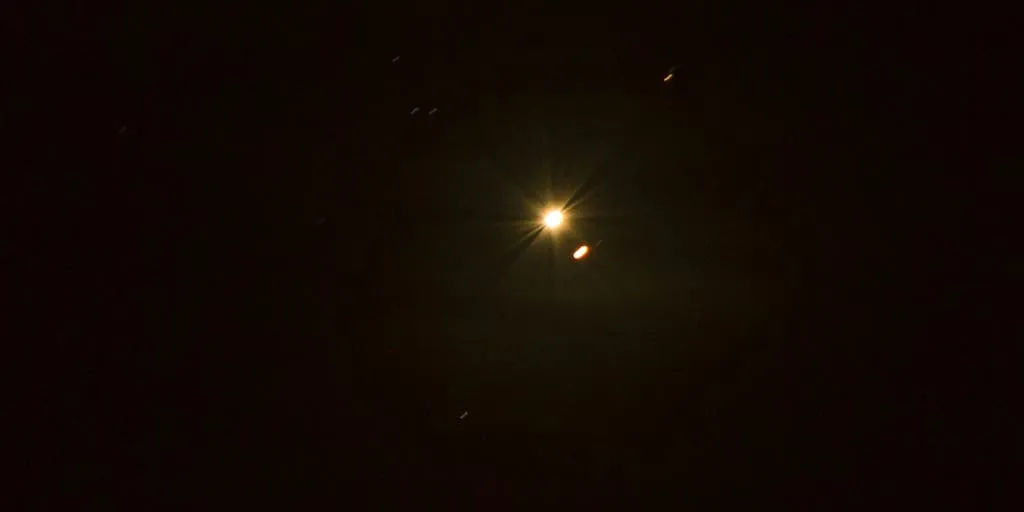
At sunset on this day, Venus and Saturn will appear to be about one degree apart in the sky, a sight that astronomers and skywatchers alike are eagerly anticipating. NASA describes this proximity, stating, “The planets will appear to be ‘about one degree apart, which is roughly the width of a single finger if you hold it at arm’s length.'” This conjunction, while visually striking, is a reminder of the vast distances in space, as the two planets will be nearly a billion miles apart.
Sunset times across Michigan on March 8, 2026, will vary by location. For instance, in Marquette, the sun will set at 7:45 p.m., while in Holland, it will be at 7:42 p.m. Other notable times include Traverse City at 7:39 p.m., Grand Rapids at 7:40 p.m., and Petoskey at 7:36 p.m. In contrast, Ironwood, located in the Central Time Zone, will see sunset at 6:56 p.m.
The conjunction of Venus and Saturn is a relatively rare event, typically occurring every one to two years. This makes the March 2026 occurrence a significant highlight for astronomy enthusiasts. The vernal equinox, which follows shortly after on March 20, 2026, will further enhance the seasonal transition, marking the beginning of spring.
Coinciding with this celestial event, the Legendary Sunset Party at AdFest is scheduled for March 20, 2026. This annual gathering, held for 17 years, celebrates creativity and community, featuring good music and a vibrant atmosphere. As one attendee noted, “There are no speeches – just good people, good music and a great sunset.” This event promises to be a fitting celebration of the changing seasons and the beauty of the night sky.
Daylight Saving Time, which begins at 2 a.m. on March 8, 2026, has long been a topic of debate in the United States, with many Americans advocating for its elimination. The shift in time not only affects sunset but also has implications for daily life and activities. As the days grow longer, many look forward to outdoor gatherings and evening events that take advantage of the extended daylight.
As the date approaches, observers are keen to witness the conjunction of Venus and Saturn against the backdrop of the sunset. While the excitement builds, details remain unconfirmed regarding specific viewing locations or events planned to celebrate this astronomical phenomenon. The combination of a later sunset and a celestial display makes March 8, 2026, a date to mark on the calendar for both casual observers and dedicated astronomers alike.