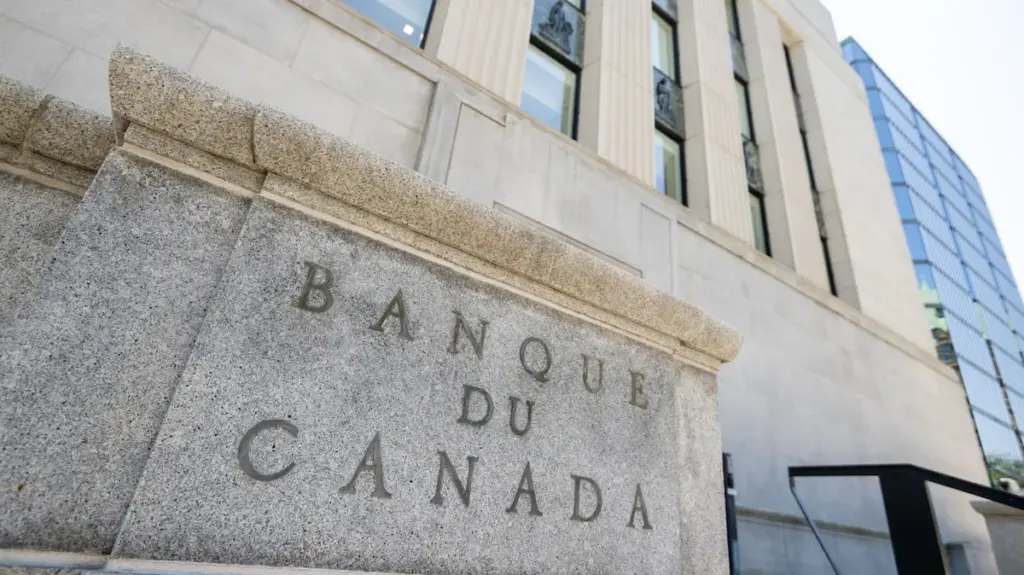
“The longer the conflict lasts and the more it spreads, the greater the risks become,” said Tiff Macklem, Governor of the Bank of Canada, during a press conference following the bank’s latest decision on interest rates.
On March 18, 2026, the Bank of Canada announced it would maintain its key interest rate at 2.25% for the third consecutive time. This decision comes amid rising global oil prices, driven by ongoing conflicts in the Middle East, which have raised concerns about inflation and economic stability.
The backdrop to this decision is significant. The Bank of Canada has faced considerable challenges, including the loss of over 100,000 jobs in the first two months of 2026. These job losses have compounded the uncertainty surrounding the Canadian economy, as households and businesses navigate a landscape marked by fluctuating prices and geopolitical tensions.
“We know that inflation will increase in the short term,” Macklem added, highlighting the bank’s awareness of the pressures that rising oil prices could exert on the economy. The central bank is closely monitoring these developments and is prepared to adjust its interest rates swiftly if inflation escalates further due to the surging costs of oil.
Currently, variable mortgage rates stand at 3.35%, the lowest level since the summer of 2022, providing some relief to homeowners amid the economic turbulence. However, the Bank of Canada remains vigilant, with Macklem stating, “We are ready to react as needed if the outlook changes.”
What observers say
Sébastien Mc Mahon, an economist, remarked, “The Bank of Canada is in a comfortable position right now at 2.25%.” This sentiment reflects a cautious optimism among some analysts, who believe that the current rate is appropriate given the prevailing economic conditions.
As the situation evolves, the Bank of Canada is set to update its inflation forecasts during its next interest rate decision on April 29. Details remain unconfirmed regarding the long-term impact of the ongoing conflict in Iran on the economy and inflation, as well as the outcome of the renegotiation of the Canada-United States-Mexico Agreement (CUSMA).