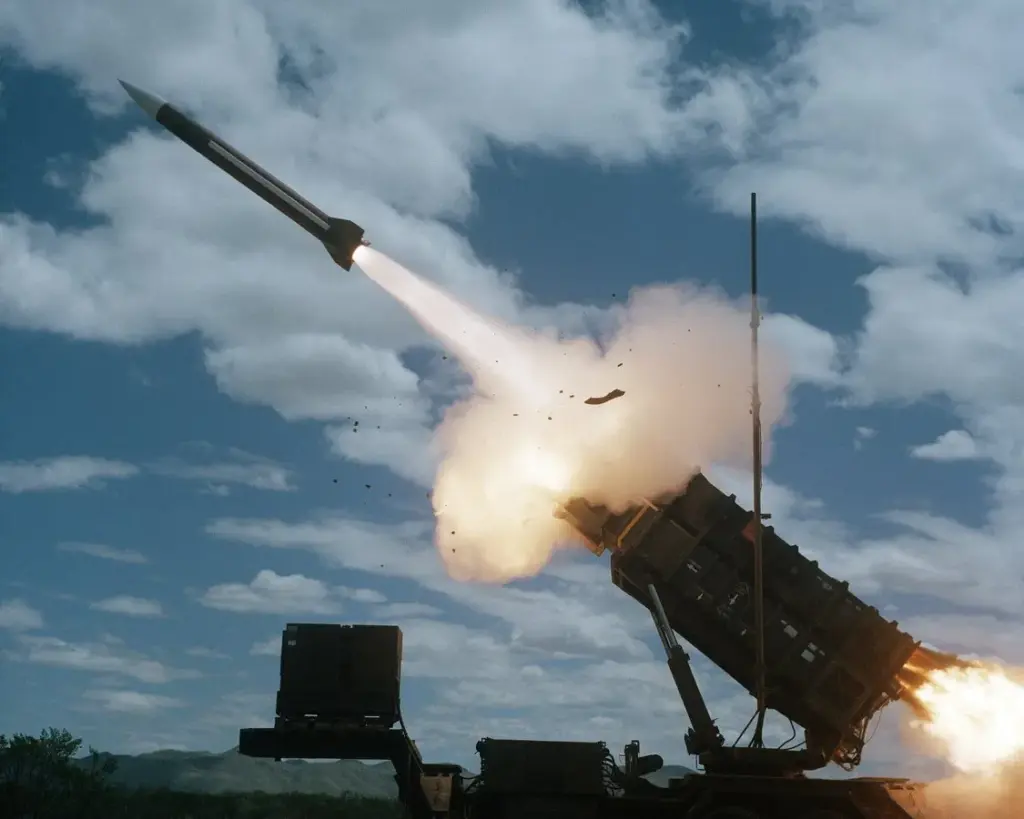
Gulf states have historically invested in advanced American missile defense systems to protect against Iranian threats. In fact, they poured approximately $142 billion into THAAD and Patriot systems. This hefty investment was intended to create a robust shield against the growing arsenal of Iran, which has launched over 400 ballistic missiles and nearly 1,000 drones targeting U.S. and allied assets in the region.
However, recent developments have cast doubt on the reliability of these systems. Reports indicate that THAAD radars were directly hit during Iranian strikes in Jordan, Saudi Arabia, and the UAE. Even more concerning is that the THAAD system failed to intercept a significant number of those incoming projectiles. As one analyst noted, “What was sold as an ironclad shield has proven leaky at best.”
The situation intensified after Iran restored full diplomatic relations with Saudi Arabia in March 2023, following seven years of proxy conflict. In May 2025, the U.S. sealed a $142 billion arms package for Saudi Arabia that included THAAD systems. Yet, just nine months later, those very systems were tested under fire—and they did not perform as expected.
The United Arab Emirates (UAE) has stopped releasing detailed success percentages for interceptions after noticing a decline in reliability. Marco Rubio highlighted the stark disparity between Iranian production capabilities and U.S. defenses: “Iran was producing over 100 of these missiles a month. Compare that to the six or seven interceptors that can be built a month.”
Additionally, intact THAAD components discovered in Syria raise uncomfortable questions about whether this massive defense spending has genuinely improved regional security. Observers are left wondering if Gulf nations are truly safer with these systems in place.
The Pentagon has even relocated THAAD batteries from South Korea to the Middle East due to a shortage of interceptors. This move underscores the urgency of addressing vulnerabilities in missile defense strategies.
As military analysts examine the intact warhead and kinetic block found in Syria, they see an unprecedented opportunity to assess THAAD’s real-world performance—something that could reshape future defense strategies.
In light of these challenges, officials are contemplating next steps. The Gulf Cooperation Council (GCC) may need to rethink its approach to missile defense as it faces an increasingly aggressive Iranian threat.
Details remain unconfirmed regarding future enhancements or changes to existing agreements with U.S. defense contractors like Lockheed Martin.