Introduction
Russian oil has been at the center of international discussions, especially in light of recent geopolitical tensions and economic sanctions. As one of the largest oil producers in the world, Russia plays a significant role in the global energy market. The importance of understanding the dynamics of Russian oil production, export, and the resulting geopolitical implications cannot be overstated, particularly as the world navigates energy transitions amid rising prices and climate commitments.
Current Events in the Russian Oil Sector
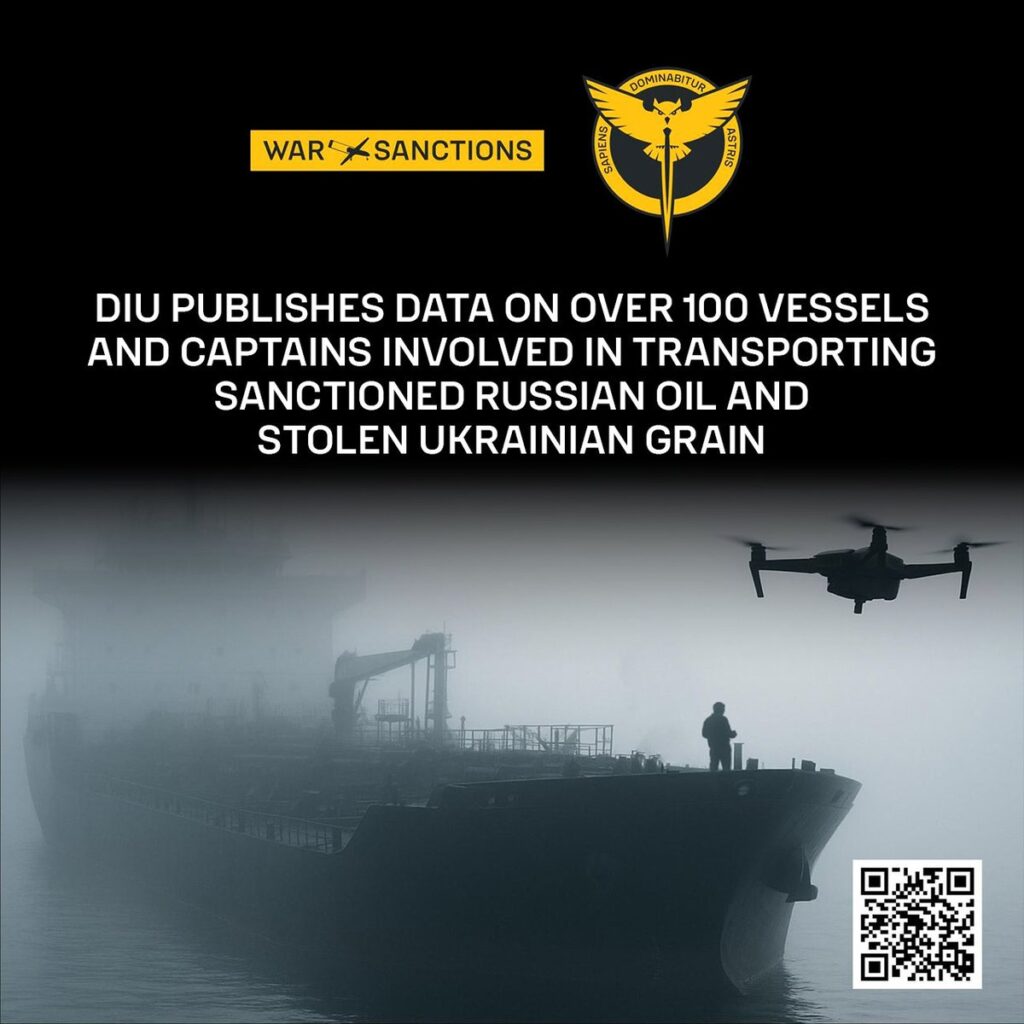
As of late 2023, Russia remains one of the top three oil producers globally, with output levels steadily hovering around 10 million barrels per day. However, the ongoing geopolitical landscape, marked by Russia’s invasion of Ukraine and the subsequent sanctions imposed by Western nations, has significantly impacted both the current operations and future forecasts of Russian oil. The European Union and G7 countries have collectively imposed sanctions aimed at curtailing Russian oil exports, intending to reduce Moscow’s revenues and diminish its ability to finance the ongoing conflict.
Effect of Sanctions and Market Dynamics
Despite the sanctions, Russia has found alternative markets, notably in China and India, which have increased their imports of Russian oil at discounted prices. This shift has led to a recalibration of global oil supply chains, with analysts noting a restructuring where oil traders are increasingly looking towards Asia for demand. Further complicating the situation is the response of oil-producing nations within OPEC+ who are adjusting their production levels to manage prices amid these dynamics.
Quality and Accessibility Concerns
While Russian oil has traditionally been welcomed by many refineries globally, its accessibility has come under scrutiny. As European nations transition away from Russian energy dependence, there is a growing focus on finding alternative sources of crude oil. Moreover, infrastructure challenges and changes in shipping routes due to sanctions add layers of complexity to the logistics of Russian oil exports.
Conclusion: Looking Ahead
The significance of Russian oil in the global market extends beyond mere energy needs; it intertwines with geopolitical stability and economic resilience. As countries look to diversify their energy sources amid ongoing sanctions on Russia, analysts suggest that this could accelerate the shift toward renewable energy technologies, challenging the status quo of fossil fuel dependency. In conclusion, understanding the developments in Russian oil will remain crucial for industry stakeholders, policymakers, and consumers alike, as its implications will likely resonate throughout the global economy in the coming years.