Introduction
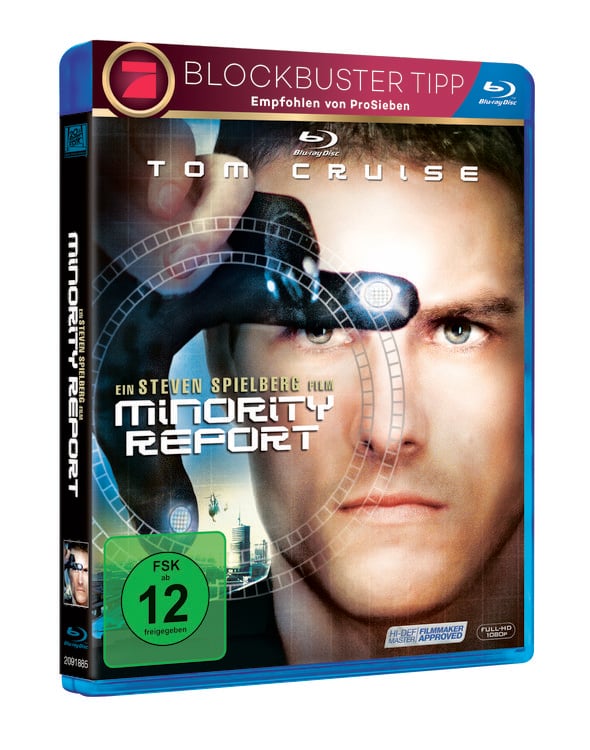
The concept of predictive policing, often compared to the fictional “Minority Report,” has taken on a new urgency in discussions about law enforcement and civil liberties. Based on a dystopian film directed by Steven Spielberg, the idea of preemptive law enforcement raises ethical concerns about privacy, bias, and the potential for wrongful arrests. As various law enforcement agencies adopt advanced technologies to predict crime, understanding the implications of these methods is essential.
Current Trends in Predictive Policing
In recent years, several police departments in North America have begun employing predictive policing algorithms that analyze crime data to forecast criminal activity. These systems utilize historical crime data, demographic information, and even social media activity to identify potential hotspots or individuals who may commit crimes in the future. According to a 2023 report from the Pew Research Center, around 60% of law enforcement agencies in the U.S. use some form of predictive policing technology.
Ethical Concerns
However, the implementation of these technologies is not without controversy. Critics argue that predictive policing systems can perpetuate existing biases and disproportionately target marginalized communities. For instance, a 2022 study from the Urban Institute revealed that neighborhoods with predominantly Black and Hispanic populations were more likely to be flagged as ‘high-risk’, leading to increased police presence and scrutiny.
Moreover, concerns over privacy are paramount. The algorithms rely on vast amounts of data, often including personal information, raising questions about consent and the extent to which individuals’ digital footprints can impact their real-world freedom. Legal experts have noted that without oversight, the potential for misuse is significant, echoing themes found in “Minority Report” where the line between preemptive action and civil rights infringement is blurred.
Conclusion
As law enforcement agencies continue to seek out technological solutions to combat crime, the cautionary tale presented in “Minority Report” serves as a vital reminder of the ethical complexities involved in predictive policing. As public discourse evolves, it is critical for lawmakers, technologists, and the community to engage in meaningful dialogue about the ramifications of these policing strategies. Failure to do so may result in a future where predictive policing not only curtails crime but also encroaches on individual liberties. Addressing technological changes and their societal implications will be essential in shaping a more just and equitable approach to law enforcement.