Introduction
Reconnaissance aircraft have played a crucial role in military and intelligence operations since their inception. Their ability to gather vital information from the air has transformed how nations monitor threats and respond to potential conflicts. In an era where strategic superiority increasingly relies on data and surveillance, understanding the advancements and implications of reconnaissance aircraft is more relevant than ever.
Current Developments in Reconnaissance Aircraft
Recent advancements in reconnaissance aircraft technology include the development of unmanned aerial vehicles (UAVs) and enhanced manned aircraft. Notably, the U.S. Air Force’s RQ-4 Global Hawk, a high-altitude, long-endurance UAV, continues to set standards with its ability to cover vast areas while collecting high-resolution images and data from multiple sensors. Similarly, the Northrop Grumman E-8 Joint STARS combines ground surveillance and reconnaissance capabilities, allowing for real-time battlefield awareness.
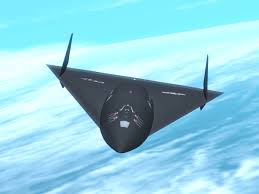
Other notable systems include the MQ-9 Reaper and the RQ-170 Sentinel, which provide covert surveillance capabilities for intelligence-gathering operations. These platforms have become integral to modern warfare, offering nations a critical edge in both offensive and defensive scenarios.
Importance in Global Security
The role of reconnaissance aircraft extends beyond traditional combat scenarios. They are increasingly used in humanitarian missions, disaster response, and counter-terrorism operations. For example, during the COVID-19 pandemic, UAVs were employed in various countries for monitoring quarantine measures and delivering medical supplies to remote locations.
Additionally, reconnaissance aircraft continue to be vital for monitoring geopolitical tensions and military activities across the globe. As tensions rise in various regions, the ability to gather intelligence quickly becomes even more paramount for national security. The recent conflict in Ukraine highlighted the essential role that aerial reconnaissance plays in providing crucial situational awareness.
Conclusion
As technology continues to evolve, the capabilities of reconnaissance aircraft are expected to expand further. Future developments may include improved stealth, advanced data processing, and better integration with other military assets. For readers, the significance of reconnaissance aircraft in contemporary and future military strategies cannot be overstated. Understanding their evolution equips us with knowledge on how nations enhance their security measures and respond to threats during an era of rapid technological change.