Introduction
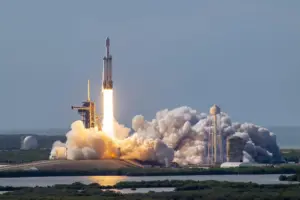
The advancement of rocket technology has been pivotal in shaping our understanding of space and expanding the horizons of human exploration beyond Earth. In recent years, rockets have not only played a crucial role in launching satellites and exploratory missions, but they have also become fundamental in discussions about interplanetary travel and commercial spaceflight. Understanding the significance of rockets is vital as we stand on the brink of new discoveries and possibilities in the universe.
Recent Developments in Rocket Technology
In 2023, the space industry has witnessed remarkable advancements in rocket technology. NASA’s Artemis I mission, which successfully tested the Space Launch System (SLS) rocket, marked a key step toward returning humans to the Moon. The mission aimed to pave the way for future manned lunar missions and the eventual goal of Mars exploration.
Meanwhile, private sector players like SpaceX continue to disrupt traditional space paradigms with innovations like the Starship rocket, designed for missions to Mars and beyond. In early 2023, SpaceX launched several Starship prototypes, demonstrating significant advancements in reusability and landing technology, which could drastically reduce costs for future missions.
The Role of Rockets in Commercial Spaceflight
The commercial spaceflight sector is booming, with companies such as Blue Origin and Rocket Lab making significant strides. Blue Origin’s New Shepard has conducted multiple suborbital flights that have spurred interest in space tourism. Additionally, Rocket Lab’s Electron rocket has proven to be a reliable option for launching small satellites, a niche that is rapidly growing.
Challenges Ahead
Despite these advancements, the rocket industry still faces numerous challenges, including regulatory hurdles and concerns about the environmental impact of rocket launches. The need for sustainable strategies in rocket manufacturing and fuel use is more pressing than ever. Furthermore, the geopolitical landscape can significantly influence collaboration and competition in space, necessitating diplomatic efforts among nations.
Conclusion
The future of rockets and space exploration is undoubtedly exciting, with ongoing developments that challenge our understanding of technology and our place in the universe. As private and governmental organizations collaborate to push the boundaries of what is possible, the potential for interplanetary travel and expanded scientific discovery grows. The significance of rockets extends beyond space; they symbolize human aspiration and innovation, urging us to keep looking up and reaching for the stars. Whether through tourism, exploration, or satellite technology, the advances in rocket systems will continue to shape our society in the years to come.