Introduction
Mallard ducks (Anas platyrhynchos) are among the most recognized and widely distributed duck species in North America and beyond. Known for their distinctive green heads, these waterfowl play a vital role in wetland ecosystems. Their adaptability and social behavior make them a subject of interest for both bird watchers and ecologists alike, especially in the context of changing environmental conditions due to climate change.
Mallard Characteristics
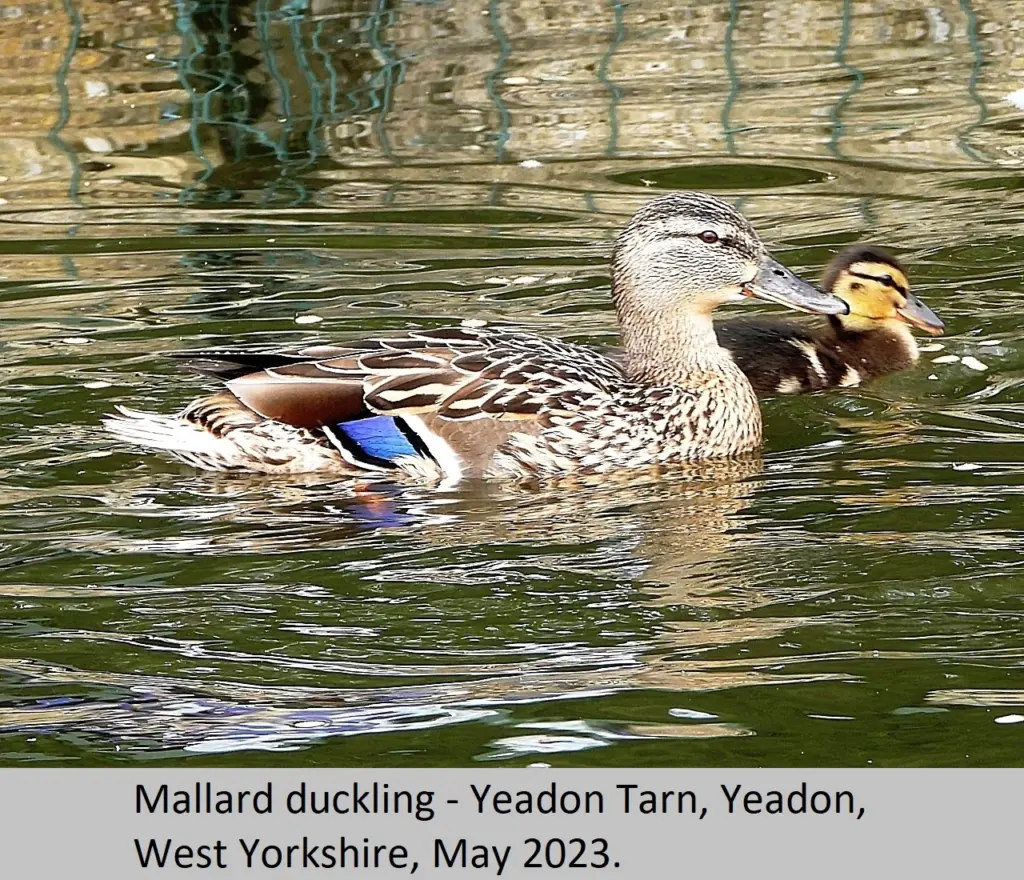
Adult male mallards, or drakes, are easily distinguished by their glossy green heads, yellow bills, and white neck rings. Females, on the other hand, are mottled brown, which provides excellent camouflage during nesting. Mallards are medium-sized ducks, with adults weighing between 2 to 3 pounds and measuring roughly 20 to 26 inches in length. Their distinct quacking sound is a familiar signal of their presence within urban parks and natural wetlands.
Habitat and Distribution
Mallards are highly adaptable birds found in a variety of habitats, from urban parks to wilderness areas. They prefer freshwater environments such as lakes, rivers, and marshes. In recent years, mallards have increasingly adapted to human environments, being seen in residential areas and city parks across Canada. Their range extends throughout North America, Europe, and Asia, making them one of the most widely distributed bird species.
Diet and Feeding Habits
These omnivorous ducks primarily feed on aquatic plants, insects, and small fish. Mallards are dabbling ducks, meaning they feed by tipping forward in the water rather than diving. This feeding behavior allows them to cover a wide area in search of food. Observing mallards during feeding times can provide insight into their role in maintaining the balance of aquatic ecosystems.
Mating and Reproduction
Mallard breeding typically begins in early spring. Males engage in elaborate courtship displays, which can include head bobbing and calling. Females build nests hidden amongst tall grass or reeds, where they lay around 8 to 13 eggs. The female is responsible for incubating the eggs, and after about 28 days, the ducklings hatch and are capable of swimming shortly after.
Conservation Status
Mallard populations are currently stable, and they are not considered endangered. However, like many bird species, they are affected by habitat loss and climate change. Conservation efforts focus on preserving wetland habitats and ensuring clean water sources, which are vital for their survival. Bird watchers and nature enthusiasts are encouraged to participate in citizen science projects that monitor mallard populations.
Conclusion
Mallard ducks are not only a beautiful addition to our natural landscapes but also a crucial component of our ecosystems. Understanding their behavior, habitat needs, and conservation status is essential as we face environmental challenges. As urban areas expand and climate conditions shift, continued research and habitat preservation efforts will be vital in safeguarding the future of these remarkable birds for generations to come.