Introduction
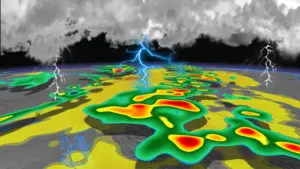
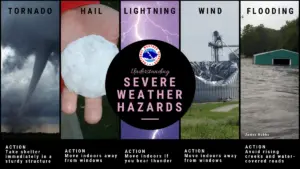
Hailstorms have emerged as a significant weather hazard across Canada, particularly due to changes in climate patterns. These intense storms not only pose risks to agriculture by damaging crops but also lead to financial burdens for homeowners and businesses. Understanding the nature of hail incidents and their implications is essential for preparedness and mitigation strategies.
Recent Hail Events
In recent weeks, several provinces have experienced severe hailstorms. For instance, a violent hailstorm in Alberta in late August led to hailstones larger than golf balls, causing extensive damage to vehicles and agricultural fields. According to Environment Canada, the storm resulted in an estimated $25 million in damages, affecting thousands of acres of crops.
Similarly, in Ontario, a hailstorm that hit the Greater Toronto Area on September 10, 2023, caused widespread destruction, with hail reaching up to 3 inches in diameter in some areas. Local emergency services reported numerous incidences of property damage, including shattered windows and dented cars.
Causes of Hail Formation
Hail forms within strong thunderstorms when updrafts carry water droplets high into the atmosphere, where temperatures are below freezing. As these droplets ascend and descend due to turbulent winds, they collide with supercooled water droplets, accumulating layer upon layer of ice until they become too heavy to remain airborne. Changes in climate, resulting in more intense storm systems, have led to an increase in hail occurrences.
Preparedness and Prevention
With the frequency and severity of hailstorms on the rise, it is crucial for communities and individuals to prepare. Homeowners are advised to invest in better roofing materials and to implement protective measures for vehicles, such as using covered parking or hail covers. Farmers are also encouraged to explore crop insurance options and invest in protective netting to mitigate hail damage to their fields.
Conclusion
The increasing incidence of hailstorms in Canada highlights the need for improved weather monitoring and infrastructure resilience. As climate conditions continue to evolve, authorities and residents must prioritize effective response strategies to minimize the impact of hail. Public awareness and education on how to prepare for these events can help reduce damage and safeguard both property and crops, making it vital for future planning efforts.