Introduction
The recent strike by Alberta teachers has emerged as a significant event amid ongoing discussions about education funding and labor rights in Canada. With a backdrop of economic constraints and a push for better working conditions, the strike underlines the tensions between educational professionals and the provincial government led by Premier Danielle Smith. This situation is critical as it not only affects the immediate teaching staff but also has long-term implications for students and the educational landscape in Alberta.
Background on the Strike
The Alberta Teachers’ Association (ATA) officially called for the strike after unsuccessful negotiations regarding salaries and resources for education. Since the beginning of the academic year, teachers have voiced concerns over inadequate funding and bureaucratic challenges that impede their ability to provide quality education. In response, more than 25,000 teachers participated in walkouts, impacting numerous schools across the province.
Government Response
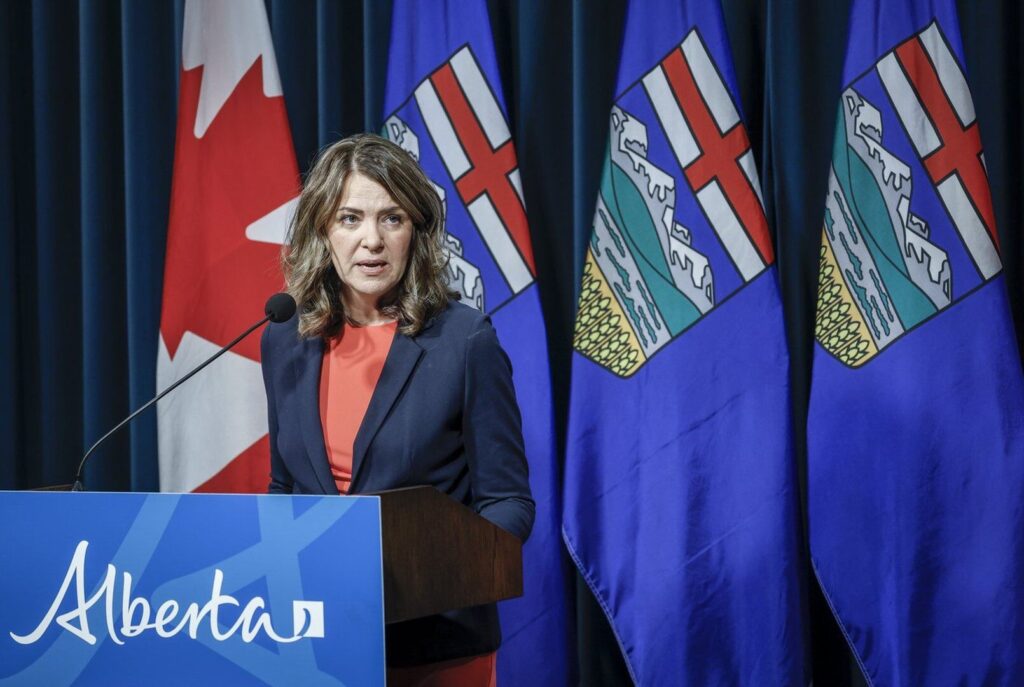
Premier Danielle Smith’s administration has faced criticism for its handling of the situation. Smith has emphasized the need for fiscal responsibility and has been resistant to increasing educational budgets significantly. In recent statements, she encouraged both teachers and the ATA to return to the negotiating table, citing concerns about the financial implications of meeting all the union’s demands. This has led to accusations from teachers that the government is prioritizing financial austerity over educational quality.
Public Opinion and Impact
Polling has shown mixed responses from the public regarding the strike. Some parents and community members support the teachers, recognizing their plight for fair compensation and better resources, while others express frustration over the disruption in their children’s education. Events such as community meetings and rallies have sprung up, bringing awareness and support to the teachers’ cause.
Conclusion
The ongoing strike by Alberta teachers underscores a critical juncture in the province’s educational policy and labor relations. As Premier Danielle Smith navigates these challenges, the resolution of the strike remains uncertain, with both sides needing to find common ground. Stakeholders are hopeful that renewed negotiations can lead to a solution that not only addresses the immediate concerns of teachers but also shapes a more robust educational framework for Alberta’s future. The broader implications of this strike may well set precedents for how education is funded and prioritized in the province moving forward.