Introduction
In today’s digital landscape, the protection of sensitive information and organizational assets is paramount. With cyber threats becoming increasingly sophisticated, the establishment of incident response plans has become essential for both small and large organizations. These plans serve as a roadmap, guiding organizations through the process of detecting, responding to, and recovering from security incidents.
Understanding Incident Response Plans
An incident response plan (IRP) is a documented strategy that outlines how an organization prepares for, detects, responds to, and recovers from cybersecurity incidents. The significance of having a reliable IRP cannot be understated; it ensures that organizations respond to incidents systematically and effectively, minimizing damage and recovery time.
Current Events and Developments
With recent high-profile cyber attacks impacting businesses globally—including the 2023 MGM Resorts breach and the ongoing threats from ransomware attacks—many organizations are revisiting their incident response strategies. According to the 2023 Cybersecurity Report from Cybersecurity Ventures, companies that have implemented effective incident response plans can mitigate potential losses by up to 70%. This statistic underscores the necessity for businesses to continuously update and test their IRPs to adapt to the changing threat landscape.
Key Components of an Incident Response Plan
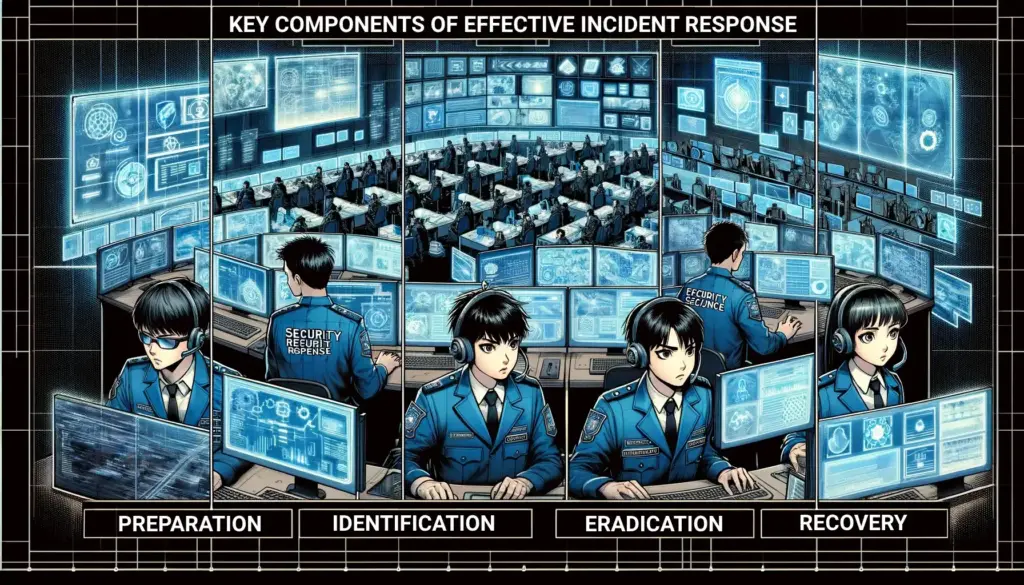
1. **Preparation**: Organizations must establish and train an incident response team and develop necessary tools and technologies for efficient incident management.
2. **Detection and Analysis**: This involves monitoring systems for signs of irregular activities and analyzing them to ascertain the nature and impact of a potential incident.
3. **Containment, Eradication, and Recovery**: Once an incident is confirmed, the immediate goal is to contain the threat, eradicate the cause, and restore systems to normal operations.
4. **Post-Incident Review**: After an incident, organizations should conduct a thorough review of the response process to identify areas for improvement to enhance future preparedness.
Conclusion
Incident response plans are critical for enabling organizations to safeguard their data and maintain their reputations amidst rising cyber threats. Companies that prioritize the development and continual refinement of their IRPs are better equipped to minimize the impacts of security breaches. By adopting a proactive approach to cybersecurity, organizations can not only protect their assets but also build trust with clients and stakeholders. Looking ahead, businesses must remain vigilant and flexible, adjusting their plans in response to the ever-evolving threat landscape.