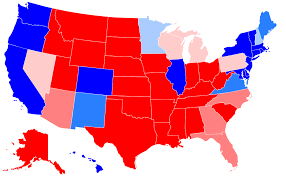
Introduction: What is a Swing State?
Swing states, also known as battleground states, are pivotal in determining electoral outcomes due to their lack of predictable allegiance to a particular political party. These states can sway the results of elections and are thus critical in both federal and provincial elections. As Canada prepares for its next electoral cycle, understanding the role swing states play is more relevant than ever.
Current Landscape of Swing States in Canada
In Canada, the concept of swing states is less prevalent than in the U.S. but is becoming increasingly important. Provinces like Ontario and British Columbia often shift their political affiliations, switching between Liberal and Conservative representation in various elections. For example, Ontario has been a key battleground in recent federal elections, with its large population and varied demographics making it a significant swing region.
According to the latest electoral studies, including data from Elections Canada, several ridings in Ontario, such as York—Simcoe and Mississauga—Lakeshore, have seen fluctuating support for different parties, indicating their status as swing ridings. British Columbia is also noteworthy, with electoral analysts pointing out that urban areas like Vancouver often drift between parties, highlighting the province’s competitive political environment.
The Impact of Swing States on Election Outcomes
The significance of swing states extends beyond mere numbers; they influence campaign strategies and resource allocation. Candidates often concentrate their efforts in these regions, conducting town halls and advertisements aimed at winning over undecided voters. With the rise of social media and targeted advertising, campaigns are now more data-driven, allowing them to tailor their messages to specific demographics within these key areas.
Moreover, swing states often catalyze national debates around key issues such as healthcare, climate change, and public safety, reflecting the priorities of their residents. The outcomes in these states can send ripples across the country, impacting federal policies and party platforms.
Conclusion: The Future of Swing States in Canadian Politics
As political polarization increases, predicting the behavior of swing states becomes more complex. Analysts suggest that the demographic changes and shifts in societal attitudes may lead to new battlegrounds emerging in the upcoming elections. For voters and policymakers alike, recognizing the growing importance of swing states could be the key to understanding the future political landscape in Canada. Going forward, engaging these communities will be essential for any party hoping to secure electoral victories.