Introduction
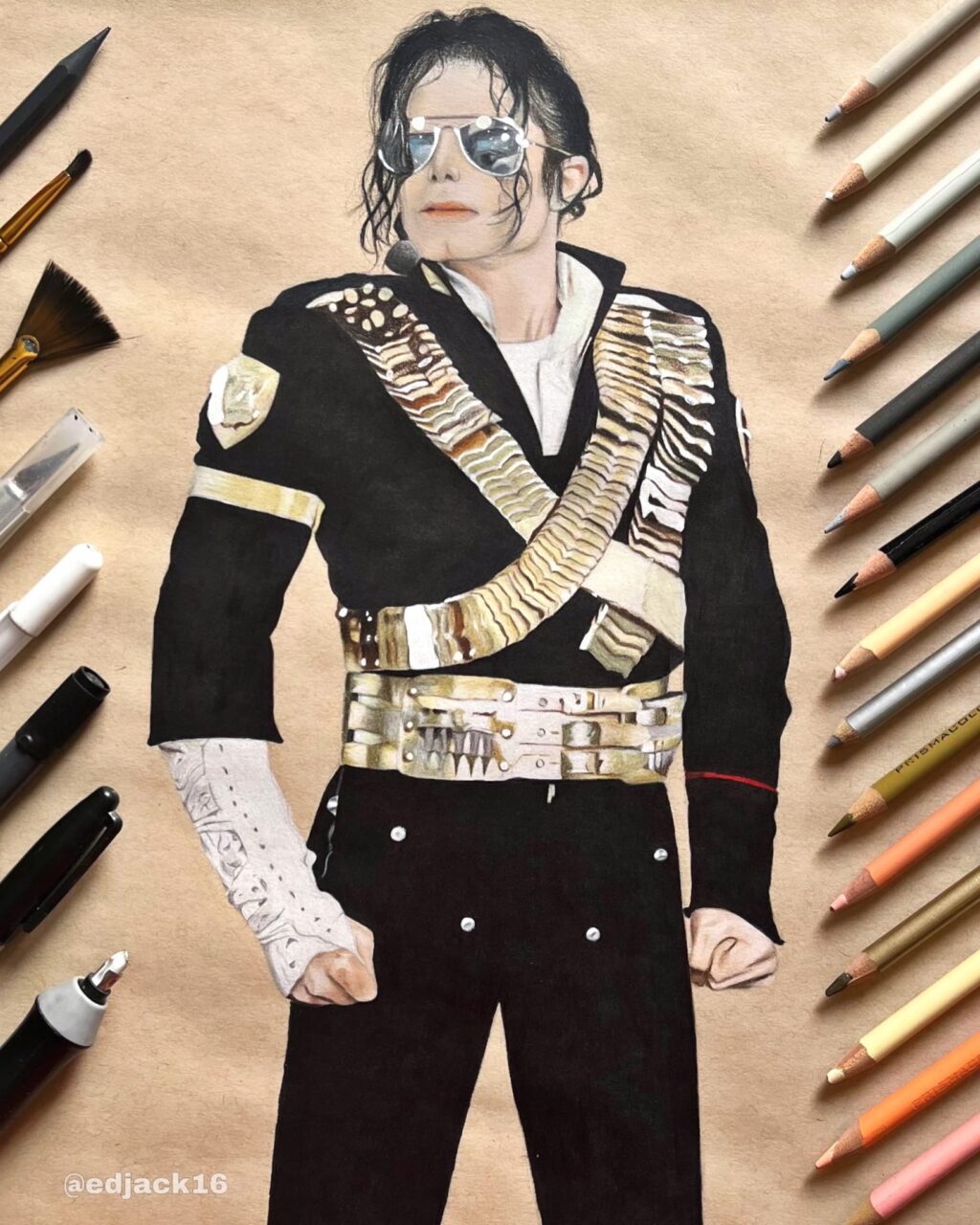
Michael Jackson’s performance at the Super Bowl in 1993 remains one of the most iconic moments in the history of live entertainment. This halftime show set new standards for future performances, transcending mere musical expression to become a pivotal part of popular culture. As Super Bowl halftime shows continue to evolve, understanding Jackson’s influence helps illuminate the landscape of contemporary music and performance art.
Details of the Performance
The Super Bowl XXVII halftime show took place on January 31, 1993, at the Rose Bowl in Pasadena, California. With an estimated audience of over 90 million viewers in the United States alone, Jackson’s performance was not only unprecedented in scale but also in impact. He opened with the songs “Jam” and “Billie Jean,” mesmerizing the audience with his signature dance moves.
Jackson’s show was a meticulously choreographed spectacle, featuring a massive ensemble of dancers and elaborate staging. Different from traditional halftime shows that featured marching bands, his performance introduced a new era of high-energy entertainment. He seamlessly integrated elements of music, dance, and theatrical storytelling, captivating viewers and solidifying his status as the ‘King of Pop.’
Significance and Influence
The immediate aftermath of Jackson’s performance saw a surge in interest towards Super Bowl halftime shows as a crucial opportunity for artists to reach vast audiences. Following Jackson, the NFL began to embrace major pop stars for its halftime shows, leading to memorable performances by artists like Beyoncé, Coldplay, and The Weeknd. Jackson’s show set a precedent for elaborate staging, theatrical presentations, and artistic collaborations.
Moreover, Jackson’s performance showcased the potential of a television platform to drive record sales and boost artists’ careers, with his album sales reportedly surging following the show. His timeless hits continued to resonate with new generations, evidencing the enduring legacy of his artistic influence.
Conclusion
Michael Jackson’s performance at the Super Bowl was more than just a live musical event; it was a cultural milestone that redefined the landscape of halftime shows and had a profound impact on the entertainment industry as a whole. Its significance lies in its ability to blend music and performance art, paving the way for future generations of performers. As the Super Bowl continues to attract massive viewership, the shadows of Jackson’s historic performance loom large, reminding us of the power and potential of live entertainment. Moving forward, the NFL and artists alike will undoubtedly continue to draw inspiration from the enduring legacy of Michael Jackson’s iconic halftime show.