Introduction
Since its debut in 2003, America’s Next Top Model (ANTM) has reshaped the fashion and entertainment industries by bringing modeling into the homes of millions. The show not only elevated the careers of several aspiring models but also sparked conversations about diversity, body image, and the evolving standards of beauty in society. With its recent revival and the changing landscapes of fashion and media, ANTM remains relevant more than ever.
Impact on the Fashion Industry
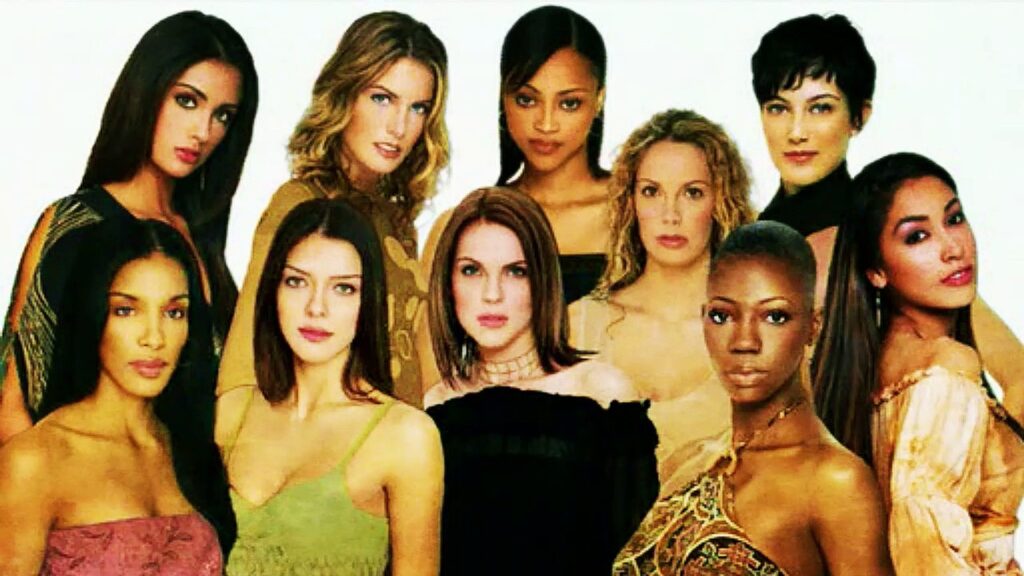
America’s Next Top Model showcased contestants from various backgrounds, challenging the traditional model of perfection that had dominated the industry. The show has featured models of different ethnicities, body sizes, and ages, helping to cultivate a more inclusive view of beauty. Moreover, many of its winners, like Tyra Banks, Eugena Washington, and Whitney Thompson, have gone on to have successful careers both on and off the runway, further affirming the potential of diverse modeling.
Key Events and Changes
The show has undergone numerous transformations since its inception. After 24 cycles and a hiatus, ANTM returned with a new vision, emphasizing the importance of social media in modern modeling. In the age of Instagram, where personal branding is vital, ANTM’s producers invited contestants to showcase not only their modeling skills but also their ability to engage with audiences online. This shift reflects a broader trend within the industry as brands now value models who can connect with consumers beyond traditional modeling.
Conclusion
As America’s Next Top Model celebrates its legacy, its impact continues to resonate within both the fashion world and popular culture. The show has initiated meaningful dialogues about race, body positivity, and representation in media that are essential in today’s society. Looking forward, ANTM’s revival may offer new opportunities for aspiring models while continuing to challenge the status quo of beauty standards. Its ongoing relevance prompts audiences to reflect on the evolving definitions of beauty and representation in an ever-changing landscape.