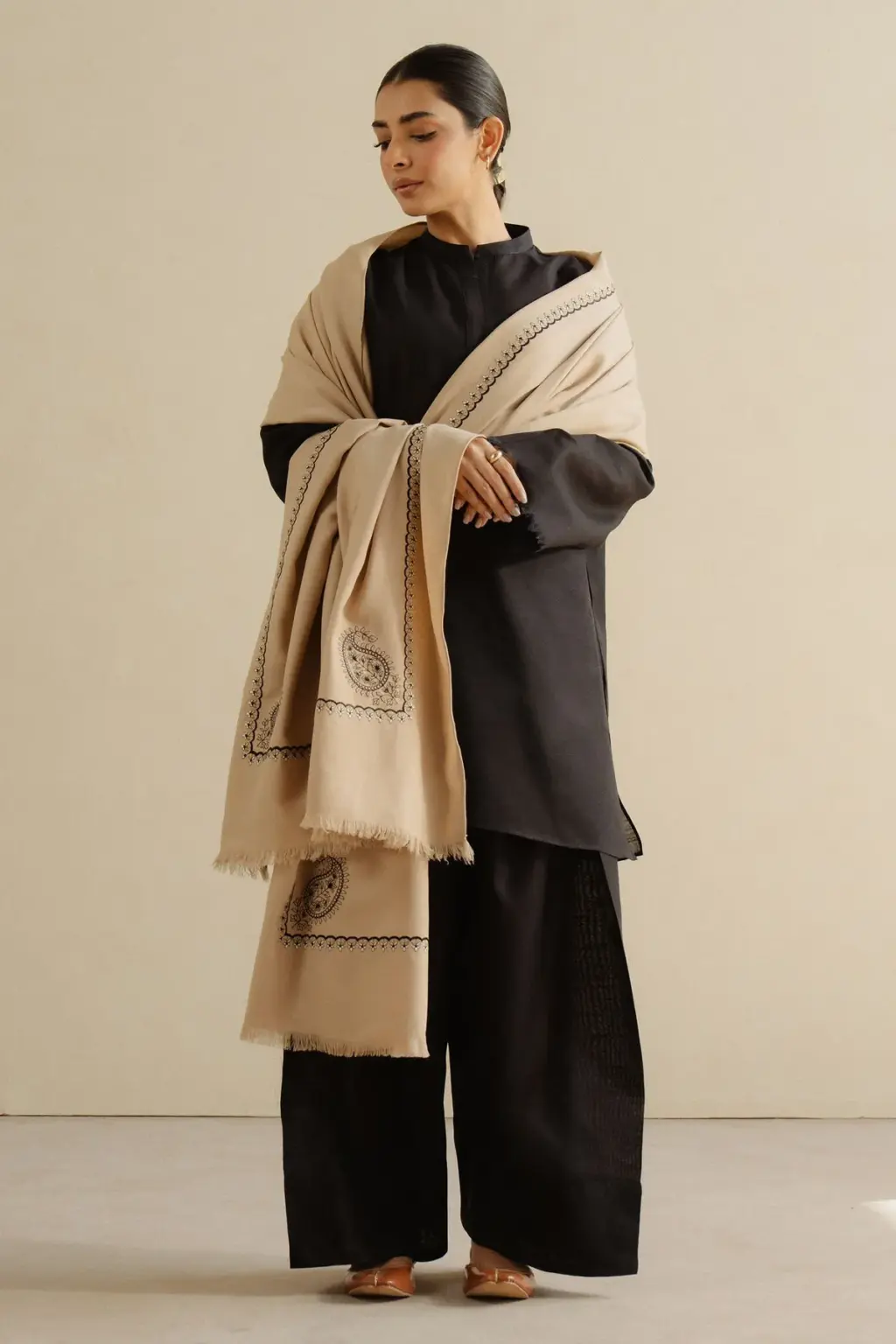
Introduction
Zara, the Spanish clothing and accessories retailer, has become one of the leading fashion brands globally, renowned for its fast-fashion approach.
Founded in 1974 in Arteijo, Spain, by Amancio Ortega and Rosalía Mera, Zara revolutionized the clothing retail sector by significantly reducing the time taken to bring styles from the runway to shelves. With over 2,000 stores across 96 countries, Zara sets trends and reflects contemporary culture, making it a key player in the global fashion industry.
Zara’s Business Model
The brand operates on a unique model known as “fast fashion”, where it designs, manufactures, and distributes clothing in an incredibly short turnaround time. Zara frequently updates its collections, with new designs appearing in stores every two weeks. This model allows Zara to respond swiftly to emerging fashion trends and consumer preferences, keeping shoppers engaged and returning for more.
Sustainability Initiatives
In light of growing concerns regarding the environmental impact of the fashion industry, Zara is taking significant steps toward sustainability. The company has committed to sourcing 100% of its cotton, linen, and polyester from sustainable sources by 2025. Additionally, Zara has launched a circular fashion initiative, encouraging customers to recycle their old clothes at in-store collection points.
As part of its broader sustainability strategy, Zara aims to reduce its carbon footprint. The brand plans to power all its stores and operations with renewable energy by 2025, aligning with global efforts to tackle climate change.
Recent Developments
In early 2023, Zara announced a partnership with prominent fashion institutions and environmental organizations to promote sustainable practices within the retail sector. This initiative aims not only to enhance Zara’s environmental responsibility but also to influence other retailers to adopt similar measures.
Moreover, the COVID-19 pandemic prompted Zara to strengthen its online presence. The brand has since reported significant growth in online sales, which accounted for nearly 30% of its total revenue in the last fiscal year. This shift reflects consumer behavior trends that lean toward e-commerce, positioning Zara favorably in a changing marketplace.
Conclusion
Zara continues to be a pivotal player in the fashion industry, balancing rapid production with a commitment to sustainability. As the brand adapts to the ever-evolving landscape of global fashion, its strategies may provide insights into the future of retail. Consumers are increasingly seeking brands that align with their values, and Zara’s progressive initiatives could significantly influence its market position. Furthermore, as sustainability continues to gain traction in consumer choices, Zara’s adaptability will be tested in the quest to remain a leader in both style and corporate responsibility.