Introduction
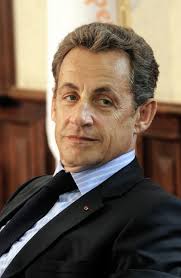
Nicolas Sarkozy, the 23rd President of France, served from May 2007 to May 2012 and remains a significant figure in contemporary French politics. His presidency was marked by notable reforms, economic challenges, and changing political landscapes. Understanding his tenure provides insight into both past and present political environments in France.
Key Policies and Reforms
During his presidency, Sarkozy implemented several ambitious policies aimed at revitalizing the French economy. His administration introduced a series of reforms, including changes to labor laws and pension systems, aimed at reducing unemployment and promoting a more flexible labor market. One of the cornerstone initiatives was the “Travailler plus pour gagner plus” (Work More to Earn More) policy, which encouraged increased work hours by offering tax breaks.
Sarkozy also prioritized the reduction of national debt. His government sought to reduce the budget deficit and stabilize France’s financial standing within the European Union, especially during the global financial crisis of 2008. Despite these efforts, the economic situation remained challenging, leading to mixed public approval ratings throughout his term.
International Relations
On the international stage, Sarkozy was known for his active foreign policy. He played a pivotal role in the NATO intervention in Libya in 2011 and was an advocate for greater European integration. His leadership during times of crisis showcased his willingness to take bold actions on both a national and international level.
Sarkozy’s approach to immigration and security also sparked significant debate. He positioned himself as a tough leader on national security, advocating for policies that aimed to curb illegal immigration and strengthen law enforcement, a stance that polarised opinions within France.
Post-presidency and Legacy
After leaving office, Sarkozy remained engaged in politics and public life. However, he faced legal challenges, including a conviction for corruption in 2021, which raised questions about his legacy and future influence in French politics. Despite these controversies, many still acknowledge the significant impact of his policies and leadership style on the political landscape.
Conclusion
Nicolas Sarkozy’s presidency was marked by a mix of bold reforms and contentious policies, reflecting both the opportunities and challenges faced by modern France. The legacy he left behind continues to resonate in the current political climate, offering lessons on governance, economic reform, and international diplomacy. As France approaches future elections, the influence of his tenure and the subsequent shifting political dynamics will undoubtedly continue to shape discussions among voters and political analysts alike.