Introduction
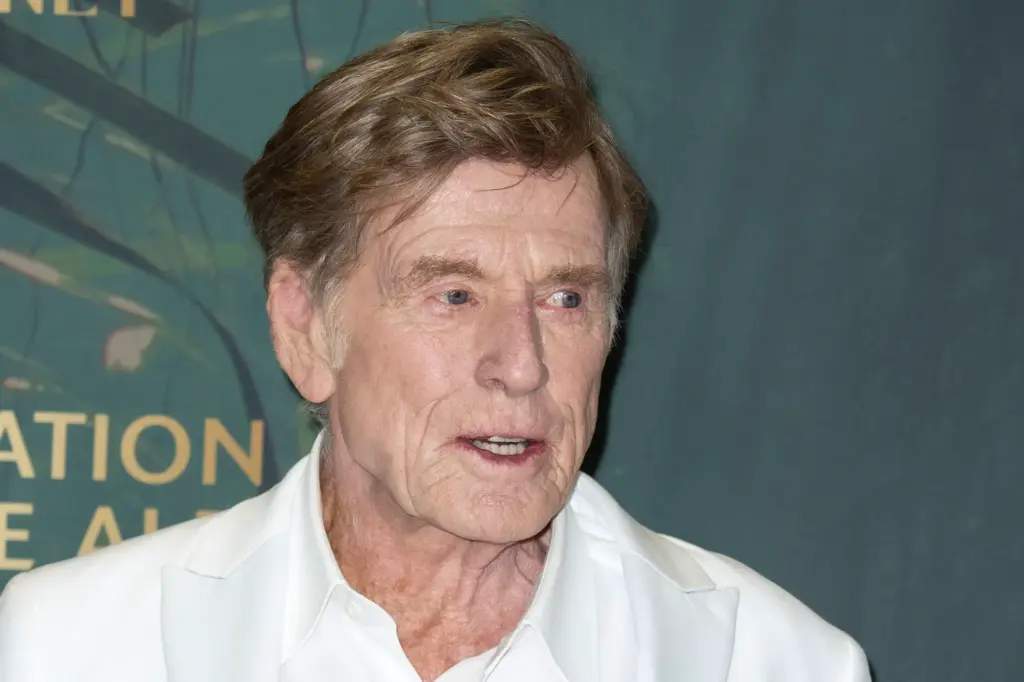
Robert Redford, a name synonymous with classic American cinema, has been a significant figure in the film industry for over six decades. He is not only celebrated for his captivating performances but also for his contributions to environmental causes and independent filmmaking. In a time when Hollywood faces scrutiny over its influence and responsibility, Redford stands out as a beacon of integrity and commitment to social and environmental issues.
Career Highlights
Born on August 18, 1936, in Santa Monica, California, Redford quickly rose to prominence in the 1960s with roles in films such as ‘Butch Cassidy and the Sundance Kid’ and ‘The Sting’. His charm and talent earned him an Academy Award for Best Director for ‘Ordinary People’ in 1981. Redford’s influence goes beyond acting; he helped launch the careers of numerous filmmakers through the Sundance Film Festival, which he founded in 1978. This festival has become a critical platform for indie filmmakers, showcasing alternative voices in cinema, thereby reshaping the industry’s landscape.
Environmental Advocacy
In addition to his film career, Redford is a passionate advocate for environmental conservation. He founded the Redford Center in 2005, aiming to promote sustainability and support innovative environmental projects. His advocacy efforts have included campaigns against fossil fuel investments and initiatives to protect natural landscapes across the United States. Redford has often used his platform to raise awareness about climate change and the importance of preserving the planet for future generations, making him a respected voice in the environmental movement.
Recent Developments
As of 2023, Redford remains active in both film and activism, participating in various discussions about the future of film in a digital age and the importance of environmental stewardship. Recently, he made headlines with his insights on sustainable filmmaking practices and the need for greater transparency in the entertainment industry regarding environmental impacts.
Conclusion
Robert Redford’s influence extends far beyond the silver screen. His legacy as an actor, director, and environmental activist is crucial in today’s world, where the intersections of art, public consciousness, and environmental responsibility are increasingly vital. As we look to the future, Redford’s commitment to cinema and conservation serves as an inspiring model for emerging generations, reminding us that storytelling and advocacy can create meaningful change.