Introduction
The fascination with skyscrapers has been a constant theme throughout modern architectural history. As cities grow and populations increase, the demand for space leads to the construction of taller and more innovative buildings. Understanding the world’s tallest buildings is essential not only for architecture enthusiasts but also for those interested in urban development and economics.
Current Landscape of Tall Buildings
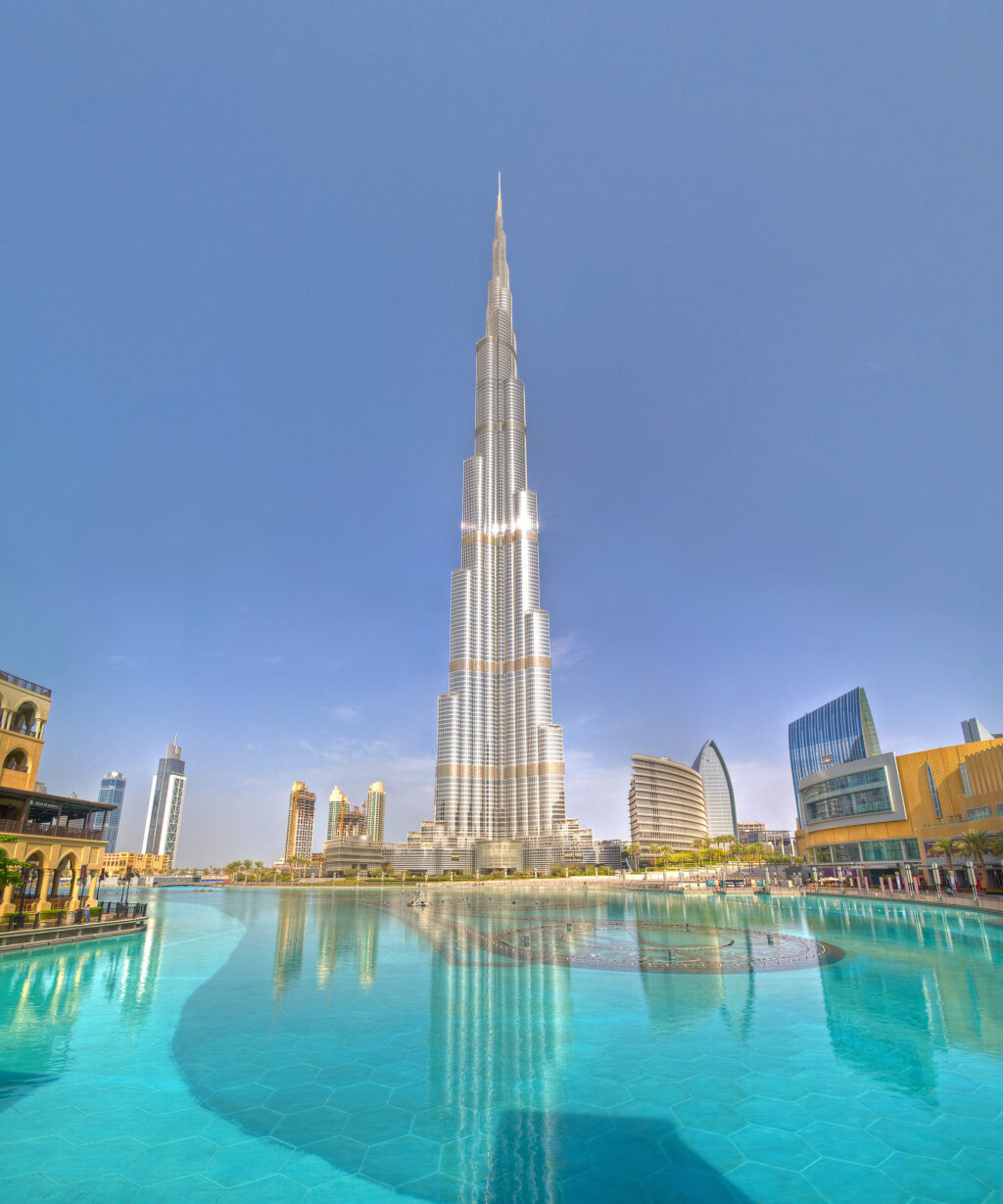
As of 2023, the tallest building in the world remains the Burj Khalifa in Dubai, standing at a staggering 828 meters (2,717 feet) tall. This architectural marvel has held the title since its completion in 2010 and symbolizes the rapid growth of Middle Eastern cities. Following the Burj Khalifa is China’s Shanghai Tower, which reaches 632 meters (2,073 feet) tall, completed in 2015. Both structures showcase phenomenal engineering skills and the use of cutting-edge technology that have vastly improved the design and safety of skyscrapers.
In addition to these giants, the list of tall buildings continues to evolve. The Abraj Al Bait Clock Tower in Mecca, Saudi Arabia stands at 601 meters (1,971 feet) and is part of a government project to increase tourism to the holy city. The Ping An Finance Centre in Shenzhen, also known for its height of 599 meters (1,965 feet), was completed in 2017 and serves as a major business hub.
Architectural and Economic Impacts
The construction of such towering structures has numerous implications on the urban landscape. They not only redefine the skyline but also stimulate economic growth by attracting businesses and tourism. Cities with iconic skyscrapers often see increased investment, and as a result, improved infrastructure and amenities for residents and visitors. Moreover, these buildings engage with sustainability efforts; many new skyscrapers incorporate green technologies, reducing their carbon footprint and demonstrating how to coexist with the environment.
Conclusion
As we look to the future, the trend towards building taller continues. Upcoming projects, such as the Jeddah Tower in Saudi Arabia, expected to surpass the Burj Khalifa by reaching 1,000 meters, highlight the relentless ambition of architects and builders. While some may question the practicality of such heights, the significance of these skyscrapers in representing human creativity and technological advancement cannot be overlooked. For city-dwellers and global citizens alike, the world’s tallest buildings are not just structures; they are symbols of aspiration and the drive towards a skylit future.