Introduction
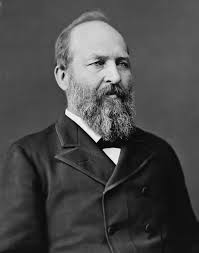
James Garfield, the 20th President of the United States, served only a short tenure before his tragic assassination in 1881. His life and presidency hold significant relevance as they provide insights into the political landscape of post-Civil War America. Garfield was a man of many talents—an educator, military general, and politician—whose legacy is often overshadowed by his untimely death. Understanding his contributions can shed light on the challenges of governance during a pivotal time in American history.
Early Life and Career
Born on November 19, 1831, in a small cabin in Ohio, Garfield faced hardships in his early life. He worked various jobs, including as a canal worker and teacher, while pursuing his education. He attended Williams College in Massachusetts, where his exceptional academic performance earned him a place as the school’s first student to graduate with honors. Following his graduation, he became a professor and later entered politics, serving in the Ohio State Senate and ultimately as a U.S. Representative. His commitment to education and public service laid the groundwork for his ascent in the political realm.
Presidency and Policies
Garfield was inaugurated as President on March 4, 1881. His presidency focused on civil service reform, striving to eliminate the corruption inherent in the patronage system that plagued American politics. He sought to promote merit-based appointments instead of those based on political connections. Unfortunately, his presidency was cut short by an assassin’s bullet. On July 2, 1881, Garfield was shot by Charles Guiteau, a disappointed office seeker. Despite surviving the initial attack, he succumbed to infections and complications from his wounds six months later, on September 19, 1881.
Impact and Legacy
Despite his brief time in office, Garfield’s impact on American politics and civil service reform is noteworthy. His assassination spurred significant changes, leading to the Pendleton Civil Service Reform Act of 1883, which aimed to establish a more competent and honest governmental workforce. This act marked the beginning of the professionalization of federal jobs in the U.S. and helped to reduce corruption. Garfield’s legacy is a reminder of the potential progress that can be made when leaders prioritize integrity and public service.
Conclusion
James Garfield’s life story is one of resilience and dedication despite the brevity of his presidency. His tragic assassination highlighted the dangers faced by public officials and spurred critical changes in the U.S. political system. By examining Garfield’s life and legacy, we gain not only an understanding of his era but also an appreciation of the ongoing struggles for reform and integrity in government. As such, Garfield’s impact resonates through American history, serving as a beacon for future leaders to prioritize civic responsibility.