Introduction
James Garfield, the 20th President of the United States, is a figure whose legacy is often overshadowed by other presidents. Serving a brief term from March 4, 1881, until his assassination later that year, Garfield’s life was marked by remarkable accomplishments and tragic circumstances. Understanding Garfield’s presidency is crucial to comprehending the transformative period of American history that he represents.
Early Life and Political Rise
Born on November 19, 1831, in Moreland Hills, Ohio, Garfield’s early life was humble. He worked various jobs to support his family, including as a canal boat driver, before pursuing an education. He graduated from Williams College in Massachusetts and, after a brief career in teaching, entered politics. Garfield served in the Ohio state legislature and later as a Union General during the Civil War, where he gained national recognition.
Presidency
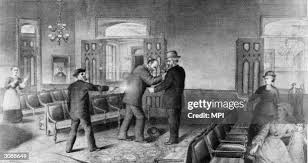
Garfield’s presidential campaign was characterized by a split Republican party. Despite his initial reluctance to run, he secured the nomination in 1880. His presidency focused on civil service reform and modernizing the U.S. military. However, these efforts were cut short when he was shot by Charles Guiteau, a disgruntled office seeker, on July 2, 1881. Garfield succumbed to his injuries on September 19, 1881, making his presidency one of the shortest in U.S. history.
Impact and Legacy
James Garfield’s assassination revealed the need for civil service reform, prompting Congress to enact the Pendleton Act in 1883, which established a merit-based system for federal employment. This significant change addressed issues of corruption and patronage that plagued American politics at the time. Garfield’s life and leadership continue to be studied as symbols of the complexity of political office and the evolving nature of American governance.
Conclusion
In summary, James Garfield’s brief presidency and tragic fate reflect a pivotal era in American history. His commitment to reform and service remains relevant today, underscoring the importance of integrity in public office. As new generations of Americans learn about this influential president, Garfield’s legacy serves as a reminder that a leader’s impact can transcend their time in office, resonating through the ages.