Introduction: The Enchantment of Frozen Niagara Falls
Every winter, millions of visitors flock to Niagara Falls to witness its breathtaking beauty. However, when temperatures plunge, something extraordinary occurs: Niagara Falls can transform into a frozen spectacle. Understanding this phenomenon not only highlights the natural splendor of the falls but also brings attention to changing weather patterns and tourism economics.
The Phenomenon of Frozen Niagara Falls
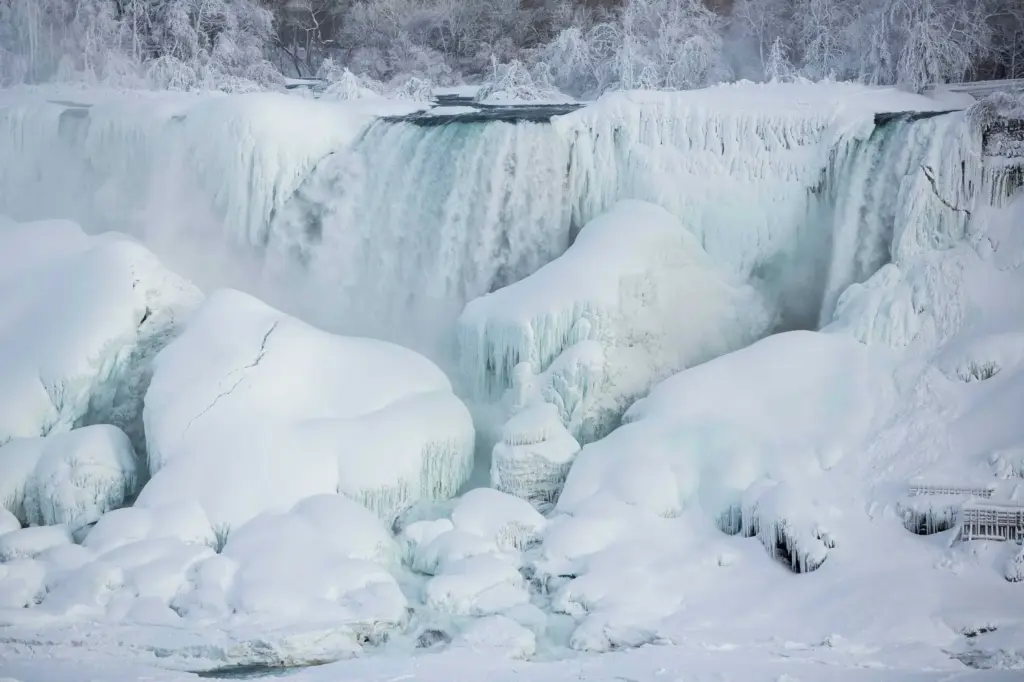
Frozen Niagara Falls is an awe-inspiring sight that happens when the temperature drops dramatically, typically between late December and February. Ice formations build up around the edges of the falls, and mist from the frigid water can create ethereal ice crystals that glistens under the sun. Although the falls do not completely freeze, substantial portions can become encased in ice, leading to stunning visual displays.
In January 2023, a severe cold snap led to record-breaking low temperatures in the region, which generated a spectacle that captivated photographers and tourists alike. Local authorities reported an uptick in visitors, who were eager to soak in the astounding views of the falls against a backdrop of ice and snow.
Impact on Tourism and Local Economy
The frozen phase of Niagara Falls has significant implications for local tourism. The majestic views attract visitors worldwide, making winter a prime season for local businesses, including hotels, restaurants, and tour operators. However, fluctuating weather conditions associated with climate change may influence how often and how spectacular this frozen phenomenon occurs going into the future.
Niagara Parks, which manages the site, has invested in marketing initiatives aimed at promoting winter tourism as a way to extend the tourism season beyond the traditional summer months. Winter festivals and light displays have also been introduced to enhance the allure of the falls during this frigid period.
Conclusion: The Significance of Frozen Niagara Falls
Frozen Niagara Falls is more than just a stunning visual; it serves as a marker of seasonal shifts and climate change ramifications. As tourism patterns evolve, so too does the importance of understanding weather phenomena in relation to the economy and environmental impact. With forecasts suggesting more erratic weather conditions, the future of the majestic frozen falls may be uncertain. Therefore, witnessing this natural wonder in its frozen state not only inspires awe but also underscores the need for sustainable tourism practices and climate resilience efforts.