Introduction
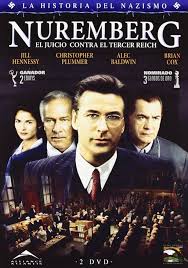
The Nuremberg movie, a historical documentary centered around the Nuremberg Trials, holds significant relevance in both cinematic history and the realm of justice. Released in 1978, the film provides an in-depth look at the post-World War II trials that aimed to bring Nazi war criminals to justice. Its importance lies not only in its historical documentation but also in its power to evoke discussions about accountability, morality, and the human cost of war.
Main Body
The Nuremberg Trials began in November 1945 and were the first trials of their kind, where key leaders of Nazi Germany were tried for war crimes. The film, directed by Emil Weiss and narrated by the eminent actor Richard Basehart, compiles footage from the original trials along with contemporary commentary, creating a thorough narrative of the events that unfolded during this critical period in history.
In the Nuremberg movie, audiences witness the harrowing testimonies of victims and survivors, which serve to illustrate the atrocities committed during the Holocaust and other war crimes. The film does not shy away from depicting the raw emotions involved, allowing viewers to gain a deeper understanding of the implications of such actions on humanity. This documentary also highlights the legal proceedings and the challenges faced by the prosecuting team, revealing the complexities of law and morality when attempting to hold individuals accountable for systemic crimes against humanity.
Furthermore, the Nuremberg movie explores themes of justice and the rule of law, setting a precedent for how international law can be applied to war crimes. Its influence extends beyond the courtroom, impacting political discourse and leading to the establishment of international courts and tribunals dedicated to human rights violations in recalcitrant nations.
Conclusion
The Nuremberg movie remains a significant artifact of both history and cinema, reminding us of the imperative for justice even in the face of overwhelming brutality. Its portrayal of the Nuremberg Trials serves as an important lesson on the need for accountability in conflict resolution. Looking ahead, the significance of the film and its themes continues to resonate, as contemporary society grapples with similar issues of military intervention, human rights, and the continuing quest for justice across the globe. The legacy of the Nuremberg movie is not merely in the story it tells but in its enduring call for vigilance against tyranny and injustice.