Introduction
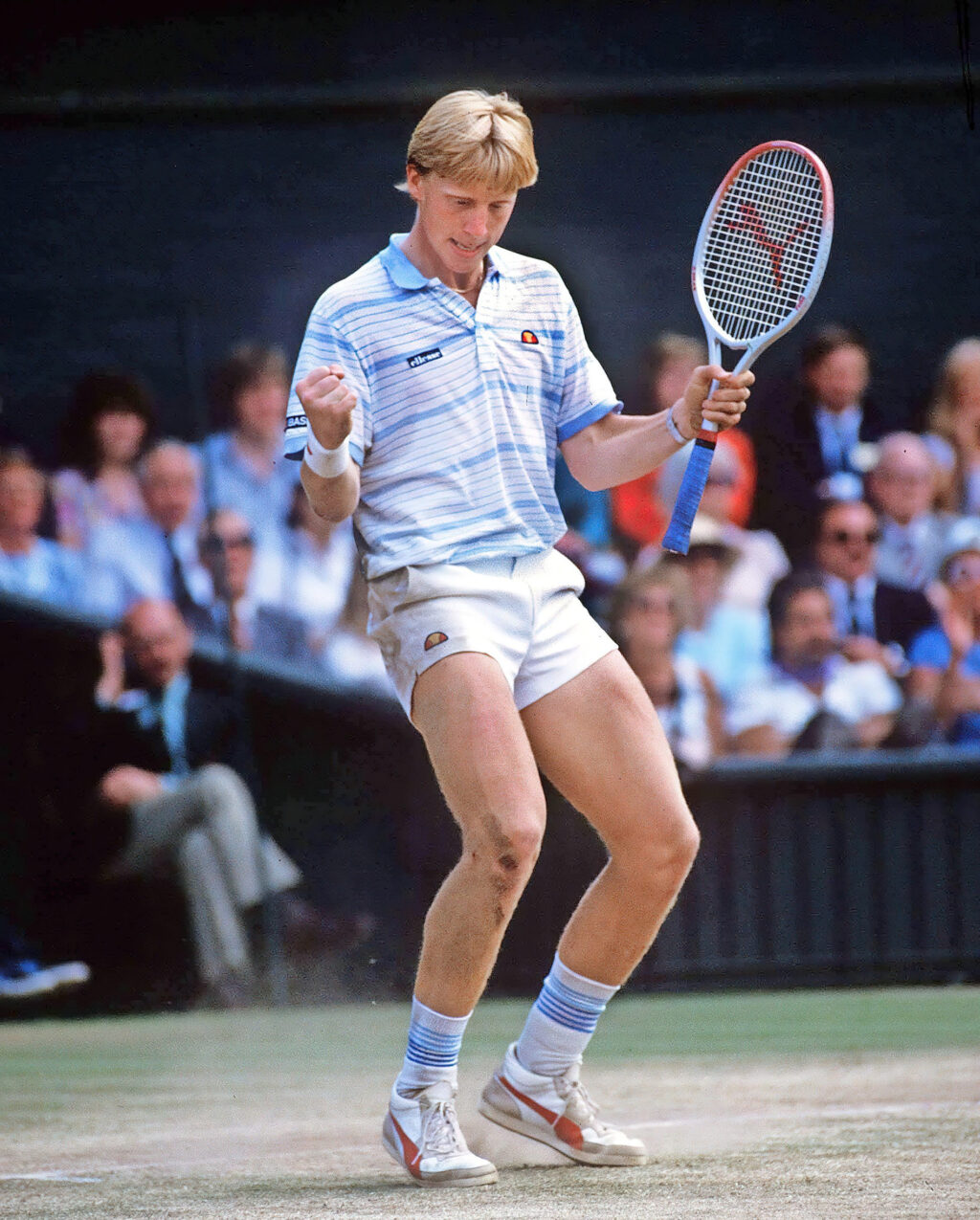
Boris Becker, a name synonymous with excellence in tennis, captured the world’s attention in the 1980s and 1990s. As one of the sport’s most successful players, his accomplishments reverberate in the tennis community and beyond. Becker’s journey is not just about his triumphs on the court but also his personal struggles and various comebacks, making him a relevant figure in today’s discussions about athlete mental health and resilience.
Career Highlights
Becker burst onto the scene at the young age of 17 when he won his first Wimbledon title in 1985, becoming the youngest male player to achieve this feat. Over the course of his illustrious career, he amassed six Grand Slam titles, including three Wimbledon championships, demonstrating incredible talent and skill. His powerful serve and aggressive style of play revolutionized the game, influencing a generation of players that followed.
In addition to his Grand Slam highlights, Becker also enjoyed success in doubles and mixed doubles events, showcasing his versatility. Throughout his career, he earned 49 Singles titles and was ranked World No. 1 for a total of 12 weeks in 1991. Becker was also a member of the German national team, contributing to their victory in the Davis Cup and the Summer Olympics.
Post-Retirement Life and Challenges
Following his retirement from professional tennis in 1999, Becker transitioned into coaching and commentary, sharing his insights and experiences with fans and upcoming players. However, his life post-tennis has not been devoid of challenges. Struggles with personal finances culminated in a high-profile bankruptcy declaration in 2017. The former champion faced legal issues related to his finances, which raised discussions about the financial experiences of retired athletes.
Recently, Becker has also opened up about his mental health journey, advocating for the importance of mental health in sports. His story resonates with many in the athletic community, emphasizing the need for support systems for players transitioning out of competitive sports.
Conclusion
Boris Becker’s legacy is multifaceted—he is a celebrated athlete, a source of inspiration for many, and a voice for mental health advocacy. As discussions continue regarding the pressures faced by professional athletes, Becker’s experiences provide valuable insights. His journey reminds us that success in sports is not just measured by titles won but also by resilience in the face of adversity. As he continues to engage with the community and share his story, Becker remains a significant figure in the tapestry of sports history, inspiring both fans and athletes alike.