Introduction
The electric vehicle (EV) market in Canada is experiencing a significant transformation, fueled by the increasing presence of Chinese electric cars. As countries prioritize sustainability and zero-emission transportation, the demand for electric vehicles has skyrocketed. Chinese manufacturers are now emerging as key players in this fast-paced market, making their mark with affordable and innovative vehicles.
The Growing Presence of Chinese Electric Vehicles
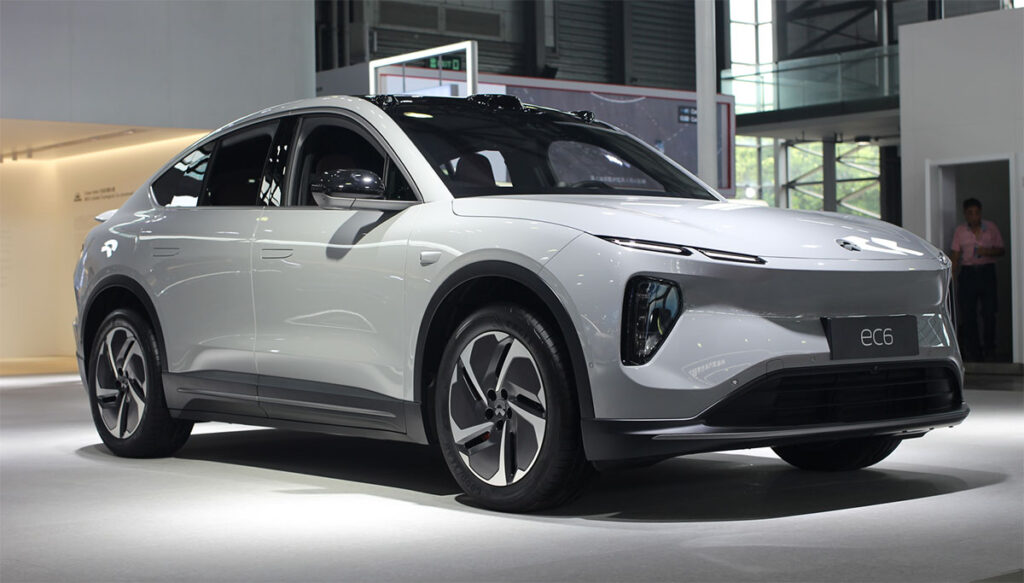
Over the past few years, Canadian consumers have seen a rise in the accessibility and variety of electric cars, including offerings from Chinese companies like BYD, Nio, and Xpeng. These brands have started to understand the North American market and adapt their vehicles accordingly, focusing on features that appeal to Canadian consumers such as winter performance and charging infrastructure compatibility.
In 2023, BYD became the first Chinese automaker to secure a significant foothold in Canada with its Atto 3 model, which saw an overwhelming response due to its competitive pricing and impressive range. The company’s strategic investment in local partnerships has also bolstered its visibility, enabling it to distribute vehicles more effectively across the country.
Market Trends and Consumer Preferences
The introduction of Chinese electric cars aligns with an overarching trend toward greener alternatives in Canada, where legislative measures are increasingly supporting EV adoption. The federal government has set ambitious targets for reducing carbon emissions, which involve increasing the percentage of electric vehicles on the road. This push has created a supportive environment for both domestic and international electric vehicle manufacturers.
Moreover, consumer preferences have also shifted. In 2023, a survey showed that nearly 50% of Canadians were willing to consider purchasing an electric vehicle, with many expressing a preference for affordable options that do not compromise on technology and range. Chinese electric cars, known for their cost-effectiveness and high-tech features, find favor among this demographic.
Challenges and Future Prospects
Despite the momentum, the entry of Chinese electric cars into the Canadian market is not without challenges. Concerns around quality control, safety standards, and geopolitical tensions can affect consumer perceptions. However, with continued investments in quality assurance and local partnerships, these challenges may diminish over time.
Conclusion
Chinese electric cars are poised to play a pivotal role in reshaping the Canadian automotive landscape in the years to come. As they continue to gain acceptance amongst consumers and adjust their offerings to meet local demands, we can anticipate an increasingly competitive market that benefits consumers with more choices and better technologies. The future of transport in Canada looks set to be greener, with Chinese manufacturers contributing significantly to the shift towards sustainable automotive solutions.