Weather Conditions Before the Change
Prior to this week, weather expectations across Southern Alberta and Saskatchewan were relatively mild, with no significant snowfall anticipated. Residents were preparing for a typical March, with temperatures gradually warming as spring approached.
The Decisive Moment
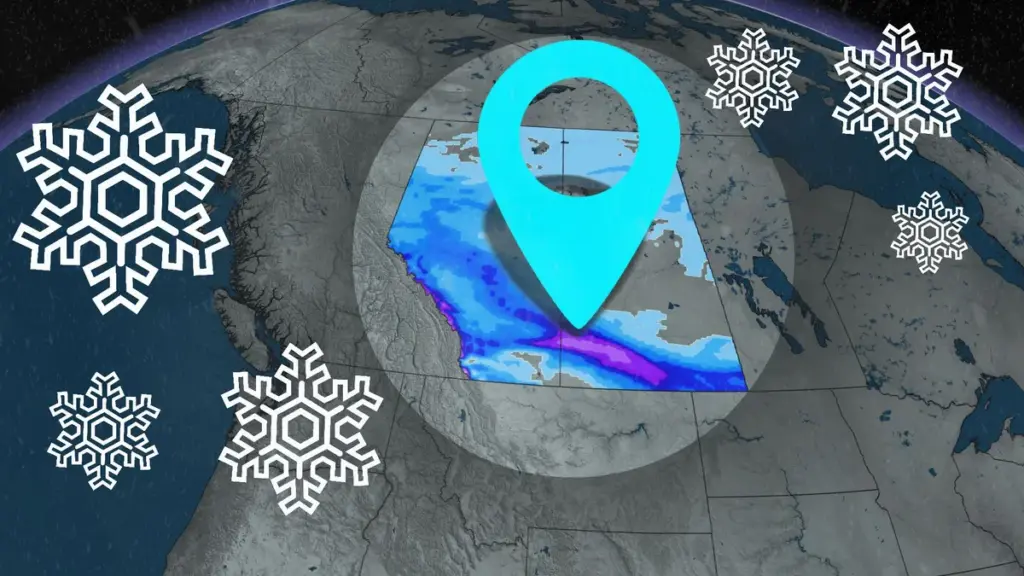
However, a strong low-pressure system developed over British Columbia, rapidly changing the weather landscape. Forecasts now indicate that parts of Southern Alberta and Southern Saskatchewan could see between 10-20 cm of significant snowfall through Thursday and Friday. In Calgary, snowfall is expected to reach 5-10 cm, while areas near Southeastern Lake Superior, including Timmins and Sudbury, are bracing for 10-25 cm of snow.
Immediate Effects on the Region
Alongside the snowfall, freezing rain has begun to impact areas from Georgian Bay to the Ottawa Valley. Environment and Climate Change Canada has issued freezing rain warnings, particularly for Ottawa, where ice accretion of 10-20 mm is expected, with localized amounts exceeding 20 mm in Eastern Ontario. This freezing rain began early Wednesday and is expected to persist throughout the day.
Travel and Safety Concerns
The heavy snowfall and freezing rain are likely to reduce visibility along major highways, including the Trans-Canada Highway, raising concerns for travel safety. Motorists are advised to exercise caution as road conditions deteriorate.
Expert Insights
Experts highlight that such weather patterns are not uncommon during this transitional season, but the intensity of this system is notable. The combination of heavy snowfall and freezing rain poses significant risks, particularly in urban areas where infrastructure may struggle to cope with sudden weather changes.
As this weather system continues to develop, residents are encouraged to stay updated through reliable sources like the weather network to ensure safety and preparedness during this significant weather event.