Background and Initial Expectations
Prior to the recent developments, the geopolitical landscape in the Middle East was already tense, with ongoing conflicts involving various state and non-state actors. The United States had been engaged in military operations aimed at curbing the influence of the Islamic Revolutionary Guards (IRGC) in the region. However, the expectation was that military actions would be carefully calibrated to avoid civilian casualties, particularly in densely populated areas.
The Decisive Moment
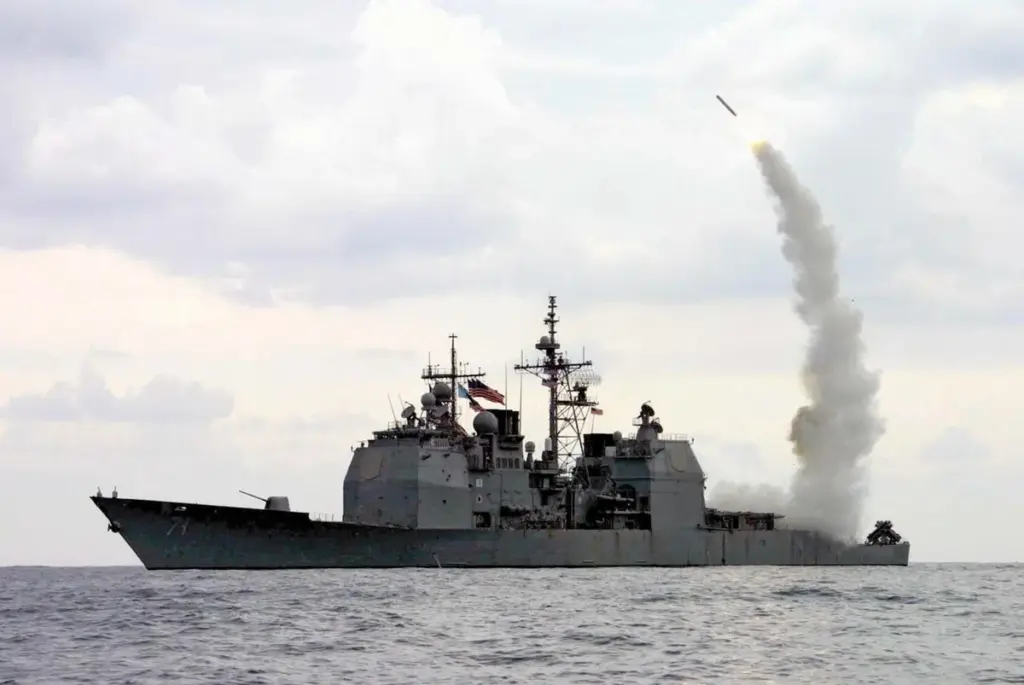
On February 28, 2026, a significant shift occurred when a US tomahawk missile struck an Iranian naval base located next to the Shajareh Tayyebeh primary school in Minab, Iran. This missile strike resulted in the tragic deaths of more than 168 people, with a majority being children aged around 12 years. The attack was part of a broader series of strikes targeting the IRGC compound, but the proximity to a school raised immediate concerns regarding the decision-making process behind the strike.
Immediate Effects on the Parties Involved
The aftermath of the strike has been devastating for the local community, with families mourning the loss of their children and the destruction of a school that had been walled off from the IRGC compound for at least eight years. The US military has acknowledged the use of tomahawk missiles in the conflict and is currently investigating the incident. Meanwhile, the Iranian government has condemned the attack, asserting that it constitutes a grave violation of international law.
Expert Perspectives and Reactions
Experts have weighed in on the implications of this strike. Bellingcat, an investigative journalism group, has geolocated video evidence showing the missile impact, confirming that it was indeed a tomahawk missile, which is exclusively used by the US military. NR Jenzen-Jones, an expert in military technology, stated, “The video shows a tomahawk missile striking a target,” highlighting the precision of the weapon. However, the footage has also been interpreted as contradicting claims made by US President Donald Trump, who suggested that Iran was responsible for the deadly school blast.
International Response and Legal Implications
The bombing has drawn sharp criticism from international organizations. UNESCO has described the incident as a grave violation of international law, while Human Rights Watch has called for a thorough investigation into the bombing, labeling it a potential war crime. The call for accountability underscores the growing concern over the legality of military operations that result in significant civilian casualties.
Ongoing Investigations and Uncertainties
As investigations continue, the exact number of casualties remains unclear, with reports varying on the total fatalities. The Pentagon has reported that 165 people were killed, a figure that slightly differs from the initial count of 168. Furthermore, no independent agency has yet reached the site to investigate the bomb fragments, leaving many questions unanswered. Details remain unconfirmed.
The tomahawk missile strike in Minab has not only resulted in tragic loss of life but has also intensified scrutiny on the US military’s engagement in the region. As the situation unfolds, the implications for international law and military ethics will continue to be debated among experts and policymakers alike.