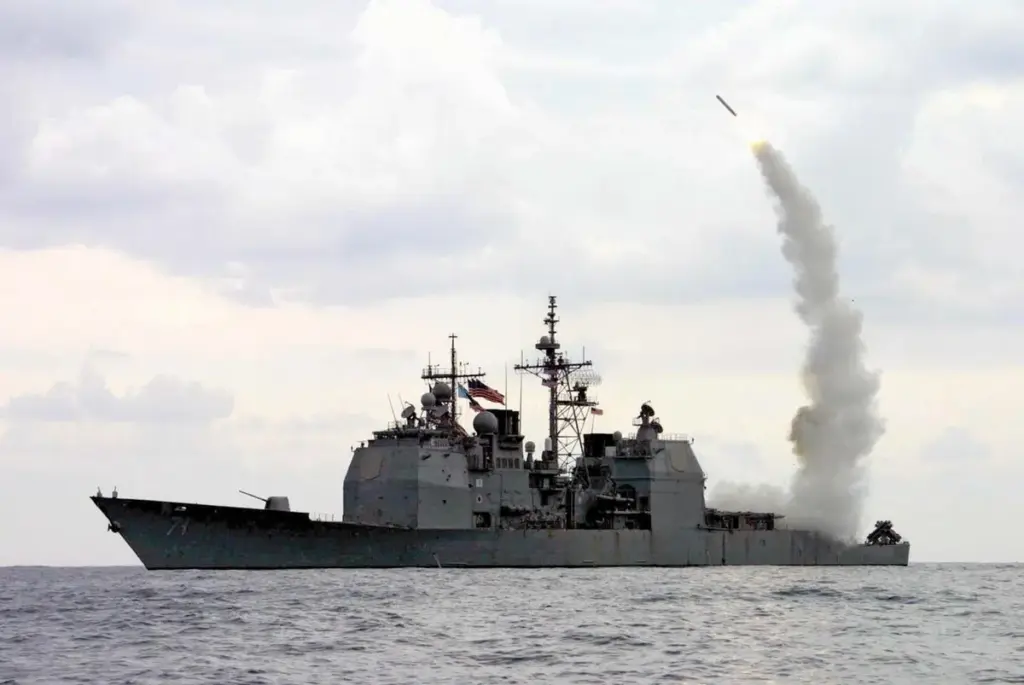
Before the Strike
Prior to the recent tomahawk missile strike in Minab, Iran, the region had been characterized by a tense but relatively stable military standoff between the US and Iranian forces. The Islamic Revolutionary Guards Corps (IRGC) had been operating in the area, but the presence of civilian structures, such as the Shajareh Tayyebeh primary school, had led to expectations that military actions would be carefully calibrated to avoid civilian casualties. The US military had previously focused its operations on specific IRGC compounds, but the risk of collateral damage was a significant consideration in their strategic planning.
The Decisive Moment
On February 28, 2026, this expectation was shattered when a US tomahawk missile struck the Iranian naval base adjacent to the primary school. The attack resulted in the tragic loss of more than 168 lives, with reports indicating that a majority of the victims were children aged around 12. The missile strike was part of a broader campaign targeting the IRGC compound, but the proximity of the school raised immediate concerns about the decision-making process that led to such a devastating outcome. Satellite imagery confirmed that both the school and several buildings within the IRGC compound were hit during the strike.
Immediate Aftermath
The immediate effects of the missile strike were catastrophic. Families in Minab faced unimaginable grief as they mourned the loss of their children. Human Rights Watch has called for an investigation into the bombing, labeling it a potential war crime, while Unesco described the incident as a grave violation of international law. The US Central Command has acknowledged the use of tomahawk missiles in the conflict, but the ramifications of this specific strike have prompted calls for accountability and transparency from various international bodies.
Expert Perspectives
Experts have weighed in on the implications of the strike. NR Jenzen-Jones noted that video evidence clearly shows a tomahawk missile striking a target, which contradicts claims made by US officials, including former President Donald Trump, who suggested that Iran was responsible for the deadly school blast. This discrepancy highlights the complexities of information warfare and the challenges in establishing a clear narrative in the aftermath of such incidents.
International Reactions
The international community has reacted strongly to the strike, with various organizations calling for a thorough investigation. The lack of independent verification at the site has raised doubts about the accuracy of casualty figures, as reports vary significantly. Details remain unconfirmed, and no independent agency has yet reached the site to investigate the bomb fragments, leaving many questions unanswered.
The long-term consequences of this strike could reshape the dynamics of US-Iran relations and alter the landscape of military engagement in the region. As the US continues to assert its military capabilities, figures like Pete Hegseth have emphasized the effectiveness of American air power. However, the ethical implications of such strikes, particularly in civilian areas, will likely fuel ongoing debates about military strategy and international law.
As the situation unfolds, the tragic tomahawk missile strike in Minab serves as a stark reminder of the human cost of military conflict. The loss of innocent lives, particularly children, raises profound ethical questions about the conduct of war and the responsibilities of nations in protecting civilians. The coming weeks and months will be critical in determining the accountability for this incident and the future trajectory of US-Iran relations.